Food-Grade Warehouse Storage: What It Means and Why It Matters
If your business produces, distributes, or sells food products, the warehouse where you store your inventory isn't just a building with shelves—it's a critical component of your food safety program.
Food-grade warehouse storage goes far beyond simply keeping products dry and organized. It represents a comprehensive approach to storage that protects product integrity, ensures regulatory compliance, and safeguards consumer health.
Understanding what food-grade warehouse storage entails and why it matters can mean the difference between successful operations and costly recalls, regulatory violations, or damaged brand reputation. Whether you're a food manufacturer, distributor, or e-commerce seller handling edible products, selecting the right warehouse partner with proper food-grade capabilities is essential.
What Does Food-Grade Warehouse Storage Actually Mean?
Food-grade warehouse storage refers to facilities specifically designed, maintained, and operated to safely store food and beverage products while maintaining their quality and preventing contamination. These warehouses adhere to strict standards that address everything from building materials and cleanliness protocols to temperature control and pest management.
Unlike general-purpose warehouses that might handle industrial chemicals, automotive parts, or mixed merchandise, food-grade facilities are dedicated to maintaining the highest standards of sanitation and safety appropriate for products intended for human consumption. This specialization ensures that food products remain safe, uncontaminated, and compliant with regulatory requirements throughout their time in storage.
The designation isn't arbitrary. Food-grade warehouses must meet specific criteria established by regulatory agencies including the Food and Drug Administration (FDA), the United States Department of Agriculture (USDA), and often additional certifications from third-party auditing organizations. These requirements cover facility design, operational procedures, employee training, record-keeping, and ongoing monitoring.
Key Components of Food-Grade Warehouse Facilities
Several critical elements distinguish food-grade warehouses from standard storage facilities.
Sanitation and Cleanliness Standards
Food-grade warehouses maintain rigorous cleaning protocols that go far beyond basic tidiness. Floors, walls, and ceilings must be constructed from materials that can be thoroughly cleaned and sanitized. Surfaces are typically smooth, non-porous, and free of cracks where bacteria or pests could hide. Regular deep cleaning schedules ensure that every area of the facility meets sanitation standards.
These facilities implement detailed cleaning procedures that document when, how, and by whom each area was cleaned. This documentation isn't just good practice—it's often a regulatory requirement that demonstrates ongoing commitment to food safety.
Pest Control Programs
Pests pose one of the most serious threats to food safety. Food-grade warehouses implement comprehensive Integrated Pest Management (IPM) programs that prevent, monitor, and address any pest activity. This includes regular inspections, strategic placement of monitoring devices, proper waste management, and exclusion techniques that prevent pests from entering the facility.
Professional pest control isn't optional in food-grade facilities—it's mandatory. These programs must be documented, and records must show that the facility remains pest-free and that any issues are addressed immediately using food-safe methods.
Temperature and Humidity Control
Many food products require specific temperature and humidity conditions to maintain quality and safety. Food-grade warehouses offering temperature-controlled storage maintain precise environmental conditions with continuous monitoring systems that alert staff to any deviations.
Whether products require refrigeration, freezing, or simply climate-controlled ambient storage, food-grade facilities have the infrastructure to maintain consistent conditions. This prevents spoilage, maintains product texture and flavor, and extends shelf life.
Proper Segregation and Organization
Food-grade warehouses carefully segregate products to prevent cross-contamination. This means separating allergen-containing products from allergen-free items, keeping raw ingredients away from finished products, and organizing inventory using systems that ensure proper rotation.
First-In, First-Out (FIFO) inventory management is standard in food-grade facilities, ensuring that older products ship before newer ones. This rotation prevents expired products from remaining in inventory and helps maintain product freshness.
Air Quality and Ventilation
Proper air circulation and filtration prevent mold growth, control odors, and maintain product quality. Food-grade warehouses invest in HVAC systems with appropriate filtration that removes airborne contaminants while maintaining consistent temperature and humidity levels throughout the facility.
Employee Training and Hygiene
Staff working in food-grade warehouses receive specialized training in food safety, proper handling procedures, and personal hygiene requirements. This includes understanding cross-contamination risks, proper handwashing protocols, appropriate clothing requirements, and how to identify and report potential food safety issues.
Many food-grade facilities require employees to follow strict hygiene protocols including wearing clean uniforms, using hand sanitizer before handling products, and following procedures that prevent contamination during receiving, storage, and shipping operations.
Regulatory Compliance and Certifications
Food-grade warehouse storage isn't self-regulated. Multiple regulatory frameworks govern how food products must be stored.
FDA Requirements
The FDA's Food Safety Modernization Act (FSMA) established comprehensive requirements for facilities that manufacture, process, pack, or hold food for human consumption. These regulations require facilities to implement preventive controls, maintain detailed records, and demonstrate that they're taking proactive steps to prevent contamination.
Warehouses handling food products must comply with Current Good Manufacturing Practices (cGMP) that outline requirements for personnel, buildings and facilities, equipment, production and process controls, and record-keeping.
Third-Party Certifications
Many food-grade warehouses pursue additional certifications that demonstrate their commitment to food safety beyond minimum regulatory requirements. Certifications like SQF (Safe Quality Food), AIB (American Institute of Baking), or GFSI (Global Food Safety Initiative) benchmarked programs involve rigorous third-party audits that verify the facility meets high standards for food safety management.
These certifications often become requirements for businesses wanting to work with major retailers or food service companies that demand documented proof of food safety practices from every link in their supply chain.
Why Food-Grade Storage Matters for Your Business
The implications of proper food-grade storage extend throughout your business operations.
Product Safety and Quality
First and foremost, food-grade storage protects the safety and quality of your products. Proper storage prevents bacterial growth, maintains product freshness, and ensures that items remain safe for consumption. This directly impacts customer satisfaction and brand reputation.
Products stored improperly can develop off-flavors, lose nutritional value, experience texture changes, or become unsafe. Food-grade storage prevents these quality issues and ensures products reach consumers in optimal condition.
Regulatory Compliance
Operating outside food-grade storage standards isn't just risky—it can be illegal. Businesses that store food products in facilities that don't meet regulatory requirements face potential citations, fines, forced recalls, or even facility shutdowns. Using a properly certified food-grade warehouse ensures you remain compliant with all applicable regulations.
Liability Protection
If a food safety incident occurs and products stored in your warehouse make consumers ill, the consequences can be devastating. Legal liability, recall costs, and reputation damage can threaten your business's survival. Food-grade warehouse storage with proper documentation and procedures provides critical liability protection by demonstrating due diligence in food safety practices.
Customer and Retailer Requirements
Many retailers, distributors, and food service companies require their suppliers to use certified food-grade storage facilities. They may request audit reports, certifications, or documentation proving that your warehouse partner meets specific food safety standards. Without proper food-grade storage, you may be unable to access certain markets or retail channels.
Traceability and Recall Management
Food-grade warehouses implement lot tracking and traceability systems that can quickly identify and locate specific products if a recall becomes necessary. This capability, required by FSMA, can dramatically reduce recall costs and protect public health by enabling rapid, targeted product removal.
Brand Reputation
Your brand reputation depends on consistently delivering safe, high-quality products. News of contaminated products, recalls, or food safety violations spreads rapidly and can permanently damage consumer trust. Proper food-grade storage protects your reputation by ensuring your products remain safe throughout the supply chain.
Special Considerations for Different Food Products
Different food categories have unique storage requirements within food-grade facilities.
Dry Goods and Shelf-Stable Products
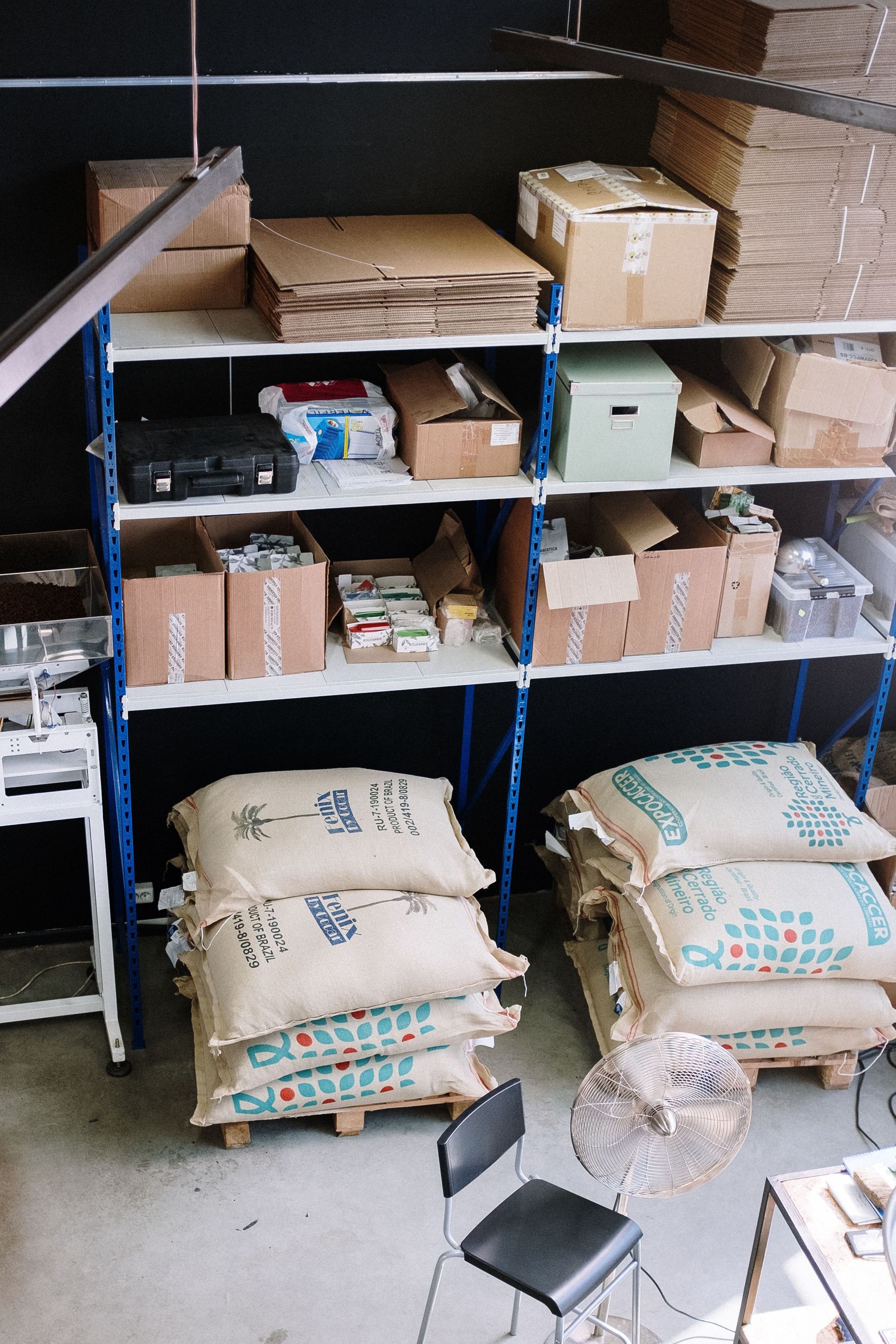
Even shelf-stable items like grains, pasta, canned goods, and packaged snacks require food-grade storage to prevent pest infestation, moisture damage, and cross-contamination. Proper humidity control and pest management are particularly important for dry goods storage.
Refrigerated Products
Dairy products, fresh produce, prepared foods, and other refrigerated items require precise temperature control, typically between 33-40°F. Even brief temperature excursions can compromise product safety and quality.
Frozen Products
Frozen foods must be maintained at 0°F or below to prevent bacterial growth and maintain product quality. Food-grade freezer warehouses have backup systems to protect inventory during power outages or equipment failures.
Allergen-Containing Products
Products containing common allergens like peanuts, tree nuts, dairy, eggs, soy, wheat, fish, and shellfish require careful segregation from allergen-free products to prevent cross-contact. Food-grade warehouses implement strict allergen management protocols.
Choosing a Food-Grade Warehouse Partner
When selecting a warehouse for your food products, verify that they offer true food-grade storage. Ask about certifications, request to see recent audit reports, inquire about their pest control programs, and understand their employee training protocols. Don't hesitate to tour the facility to observe operations firsthand.
The right food-grade warehouse partner becomes an extension of your food safety program, providing expertise, infrastructure, and documentation that protect your products, your customers, and your business.
The Bottom Line
Food-grade warehouse storage isn't optional for businesses handling food products—it's essential. The distinction between general warehousing and food-grade facilities is significant, encompassing specialized infrastructure, rigorous protocols, regulatory compliance, and ongoing monitoring that general warehouses simply don't provide.
Whether you're launching a food product line, scaling an existing food business, or evaluating your current warehouse partnership, understanding food-grade storage requirements helps you make informed decisions that protect your products, satisfy regulatory requirements, meet customer expectations, and safeguard your brand reputation.
In the food industry, cutting corners on storage isn't worth the risk. Invest in proper food-grade warehousing, and you invest in the long-term success and safety of your business.