Signs Your Business Has Outgrown Its Current Storage Solution
Growth is exciting. More customers, more products, more orders — it’s what every business owner works toward. But growth also creates pressure. And one of the first places that pressure shows up is storage.
If your current storage setup once worked perfectly but now feels cramped, chaotic, or inefficient, it may not be a temporary inconvenience. It could be a sign your business has outgrown its existing solution.
Here are the most common indicators it’s time to reevaluate your storage strategy.
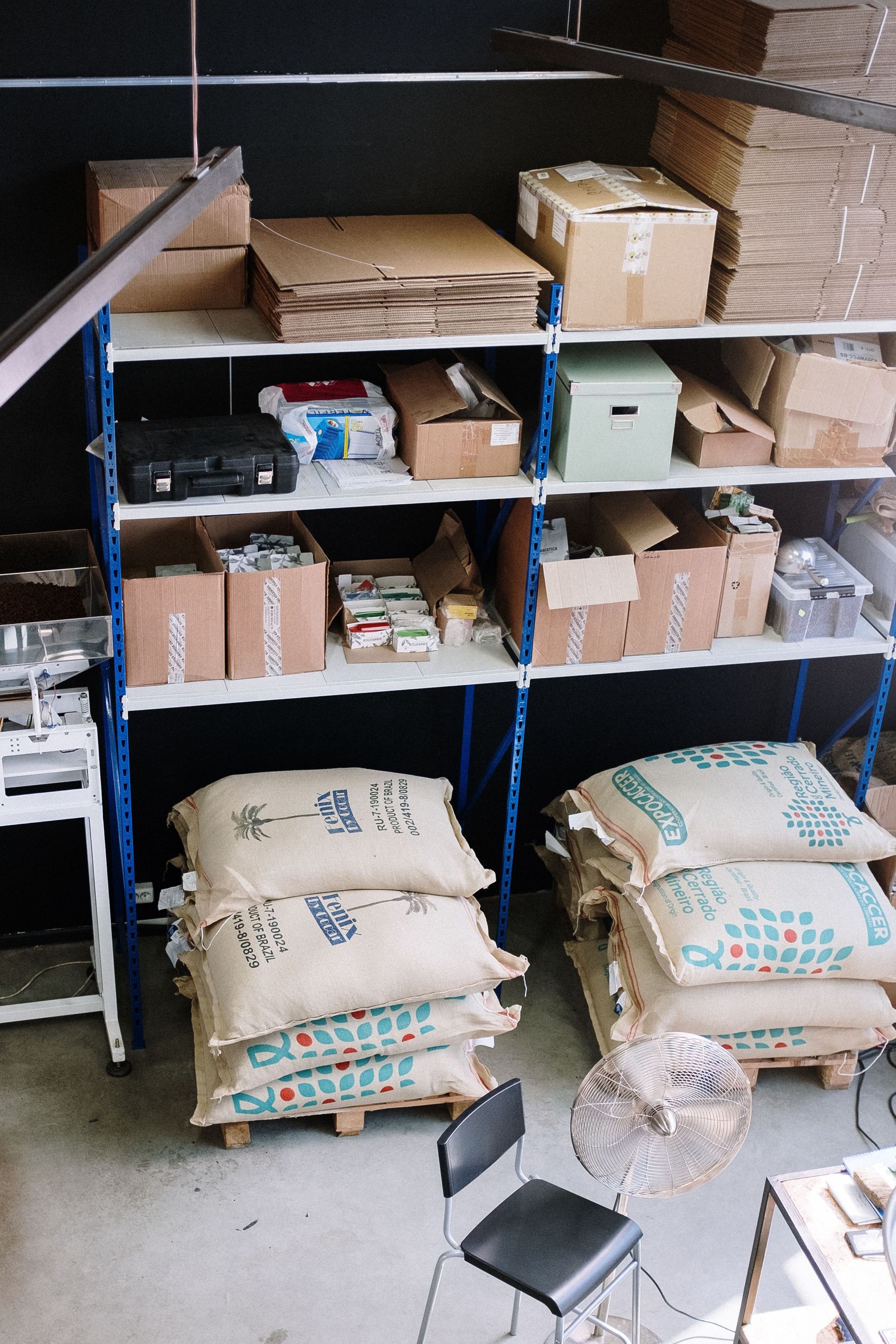
1. Inventory Is Overflowing Into Walkways and Workspaces
When boxes start stacking in aisles, offices, or production areas, your storage system is no longer supporting operations — it’s slowing them down.
Overflow creates:
- Safety hazards
- Reduced employee efficiency
- Increased product damage
- Frustration across teams
If your team spends more time navigating around product than actually moving it, you’ve likely outgrown your space.
2. Order Fulfillment Is Slower Than It Should Be
Efficient storage directly impacts fulfillment speed. If picking and packing orders is taking longer than it used to, your layout may no longer match your volume.
Warning signs include:
- Employees searching for products
- Frequent stock misplacements
- Increased fulfillment errors
- Bottlenecks during peak hours
When storage isn’t optimized for current demand, customer satisfaction can suffer quickly.
3. You’re Turning Down Inventory Opportunities
Have you passed on bulk purchasing discounts or new product lines simply because you don’t have space?
Limited storage capacity can restrict:
- Seasonal inventory expansion
- Supplier negotiations
- Growth into new product categories
- Promotional opportunities
If space constraints are limiting strategic decisions, that’s a growth ceiling you don’t want.
4. Your Business Is Experiencing Seasonal Surges
Many businesses experience predictable spikes — holidays, promotional seasons, industry cycles. If those busy periods consistently create logistical chaos, your storage setup may not be scalable.
A flexible storage solution should accommodate:
- Short-term inventory increases
- Temporary overflow
- Peak shipping volumes
- Promotional stock
If every surge feels like a fire drill, it’s time to rethink capacity.
5. Storage Is Eating Into Revenue-Generating Space
When back rooms, office space, or retail square footage slowly convert into storage, you’re sacrificing valuable operational real estate.
Consider the opportunity cost:
- Office space could house revenue-generating staff
- Retail space could display more product
- Production space could increase output
If storage is crowding out core operations, it’s working against your growth.
6. You’re Spending Too Much Time Managing Storage
As businesses grow, founders and managers often find themselves micromanaging inventory problems.
If leadership time is being spent on:
- Rearranging shelving
- Coordinating overflow
- Troubleshooting inventory issues
- Managing space conflicts
…it may be more cost-effective to upgrade your storage infrastructure than to continue patching inefficiencies.
7. You Need Better Organization and Tracking
Growth demands stronger systems. If inventory tracking feels inconsistent or manual workarounds have multiplied, your storage setup may not support the level of organization you now require.
A mature storage strategy should allow:
- Clear product categorization
- Easy physical access
- Logical workflow design
- Integration with tracking systems
As operations become more sophisticated, storage must evolve accordingly.
8. You’re Planning for Expansion
If your business is preparing for:
- New product launches
- Geographic expansion
- Increased marketing efforts
- Wholesale distribution
- E-commerce scaling
…then proactive storage planning becomes critical. Waiting until you are fully maxed out often results in rushed, reactive decisions.
What to Do Next
Outgrowing your storage solution isn’t a problem — it’s a milestone. It signals progress. But ignoring the signs can create operational drag that slows your momentum.
The right next step might include:
- Reconfiguring your existing layout
- Expanding within your current facility
- Partnering with a third-party warehouse provider
- Exploring flexible, scalable storage options
The key is choosing a solution that supports your next stage of growth — not just your current one.
Ready for a Storage Strategy That Grows With You?
If your current storage setup feels tight, inefficient, or restrictive, it may be time for a smarter, more scalable approach. A well-designed warehousing and storage solution can streamline fulfillment, protect inventory, and create the breathing room your business needs to keep expanding.
Reach out today to discuss your current challenges and explore a solution built for growth.