What Type of Warehouse Space Does Your Business Need? A Simple Breakdown
Not sure what type of warehouse your business needs? Learn the differences between dry storage, cold storage, cross-dock, fulfillment centers, and more.
As businesses grow, managing inventory becomes more complicated. What worked in a small storage room or garage rarely works once sales increase, shipments multiply, or seasonal inventory peaks. At that point, it’s time to decide what type of warehouse space makes sense for your operation—but with so many options, choosing the right one can feel overwhelming.
Here’s a simple, business-friendly breakdown of the most common types of warehouse solutions, what each is designed for, and how to decide which is right for your needs.
1. Dry Storage Warehousing
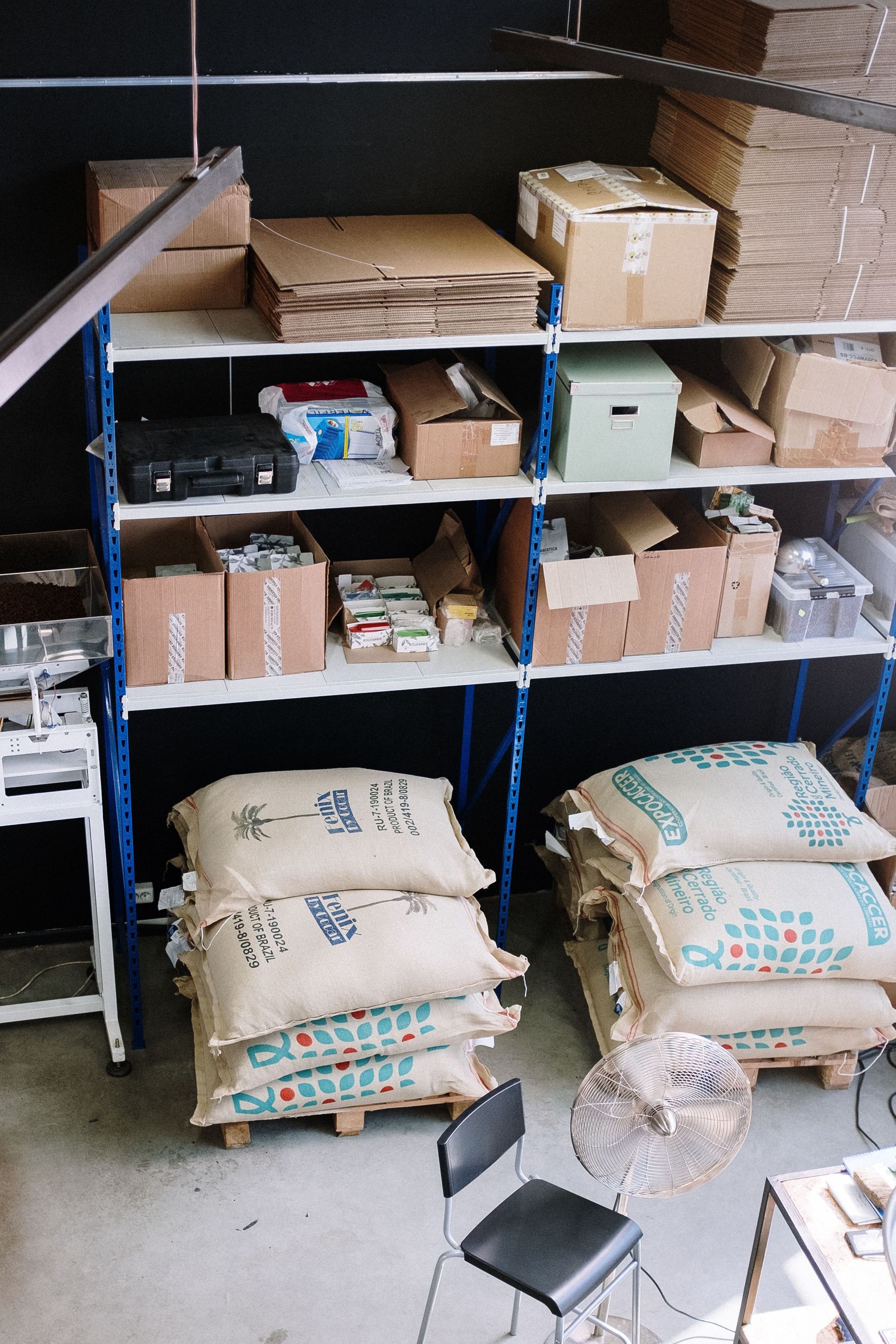
This is the most common type of industrial storage. Dry storage warehouses are designed for non-perishable goods that do not require climate regulation.
Best for:
- General retail products
- Building materials
- Packaging and manufacturing supplies
- Furniture and equipment
Why choose it:
It’s cost-effective, secure, scalable, and ideal for inventory overflow or businesses that need long-term storage without temperature restrictions.
2. Climate-Controlled Warehousing
For goods that can be damaged by heat, cold, or humidity, a climate-controlled environment is essential.
Common industries that require it:
- Pharmaceuticals and medical supplies
- Electronics or sensitive equipment
- Specialty retail products
- Artwork or high-value items
Why choose it:
Climate-controlled storage protects against product loss and helps businesses meet storage and compliance standards.
3. Cold Storage Warehousing
Cold storage is a specialized temperature-regulated environment designed to keep food and perishable products safe.
Ideal for:
- Meat and dairy
- Beverage and produce suppliers
- Frozen or refrigerated goods
- Food distributors and restaurants
Why choose it:
You get safe handling, proper temperature controls, and a smarter way to manage shelf life and demand.
4. Cross-Dock Warehousing
Cross-docking is designed for fast movement—not storage. Incoming products arrive at the warehouse, are sorted, and quickly shipped back out.
Best suited for:
- High-volume distributors
- Retailers with just-in-time inventory
- Seasonal delivery surges
- Shipments that need rapid turnaround
Why choose it:
It reduces storage costs, shortens delivery times, and keeps inventory lean.
5. Fulfillment Centers
A fulfillment warehouse does more than store products. It handles picking, packing, and shipping for online orders.
Ideal for:
- E-commerce brands
- Subscription box companies
- Amazon and marketplace sellers
- Retailers scaling home delivery
Why choose it:
You gain storage, staffing, shipping speed, and order accuracy without building your own logistics system.
6. Distribution Warehousing
Distribution centers store goods but also serve as a shipping hub to retailers, wholesalers, and consumers.
A strong fit for:
- Manufacturers
- Food and beverage companies
- Regional and national retailers
- Businesses expanding into new markets
Why choose it:
Distribution warehousing shortens shipping timelines and reduces transportation costs—especially when the facility is strategically located near highways and population centers.
How to Decide Which Warehouse Type You Need
Choosing the right warehouse starts with a few key questions:
- How long will inventory be stored?
Short-term overflow storage is different from long-term operational warehousing. - Do your products require temperature or humidity control?
Electronics, food, pharmaceuticals, and sensitive goods may require a regulated environment. - Do you need help with order fulfillment, packaging, or deliveries?
If so, a fulfillment-focused warehouse can reduce shipping labor and overhead. - How quickly do products need to move in or out?
High-turn inventory often pairs well with cross-docking or distribution centers. - Is your business growing into new markets?
Strategic warehousing helps reduce freight costs and shipping times.
The Bottom Line
The right warehouse solution depends on your product, storage timeline, delivery expectations, and business goals. Partnering with a facility that offers scalable options ensures you only pay for the space and services you need—while protecting your inventory and improving logistics.