How to Choose the Right Warehouse Partner for Your Business
For many growing businesses, storage space quickly becomes a limiting factor.
Whether you’re managing excess inventory, seasonal products, or bulk supplies, partnering with a reliable warehouse can dramatically improve your efficiency, reduce costs, and help your company scale with confidence.
But not all warehouses are created equal. From climate control to inventory access, there are many factors to consider when choosing the right partner for your business needs. Here’s what to look for before making your decision.
1. Location, Location, Location
The location of your warehouse plays a crucial role in both convenience and cost efficiency. A strategically placed facility can help reduce delivery times, shipping expenses, and fuel costs.
When evaluating warehouse locations, consider:
- Proximity to your customers or distribution hubs – especially if your business serves regional markets like southern Idaho, northern Nevada, or eastern Oregon.
- Access to major highways and interstates – such as I-84, which connects Buhl and Twin Falls to Boise and beyond.
- Ease of pickup and delivery for your drivers or logistics providers.
If your business operates primarily in Idaho, a centrally located warehouse in a community like Buhl can provide a balance of affordability and accessibility.
2. The Right Type of Storage Environment
Different products require different storage conditions. A warehouse should offer the flexibility to meet your specific needs — whether that’s climate control, humidity regulation, or secure bulk storage.
Ask these questions when assessing storage quality:
- Is the space temperature-controlled for sensitive goods (like food products, electronics, or medical supplies)?
- How is air circulation and humidity managed?
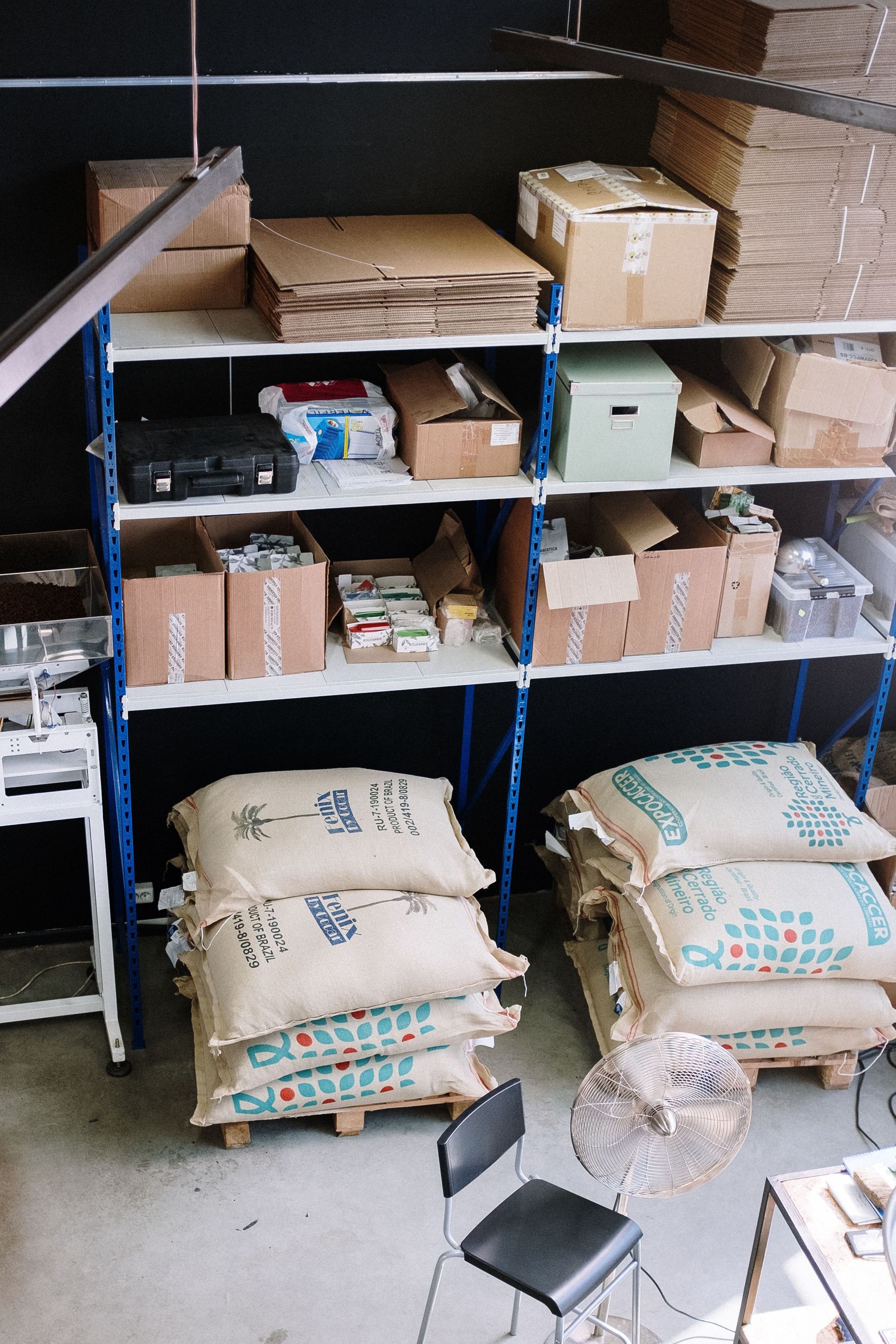
- Are there options for palletized storage, shelving, or bulk floor space?
- Does the facility offer cleanliness standards suitable for your industry?
Even if your products aren’t perishable, stable conditions can protect against warping, mold, or corrosion over time.
3. Security and Protection
Your inventory is your livelihood — and the right warehouse partner should protect it like it’s their own. When evaluating a facility, look for robust security features, including:
- 24/7 monitored video surveillance
- Controlled access points
- On-site personnel or alarm systems
- Fire suppression and smoke detection systems
- Insurance and liability coverage
Reliable warehouse partners will be transparent about their security protocols and emergency response procedures. Never hesitate to ask for details — true professionals will gladly provide them.
4. Scalability and Flexibility
A good warehouse partnership should grow with your business. As your production or order volume changes, you’ll need a facility that can scale without forcing you to move or renegotiate constantly.
Consider asking:
- Can the warehouse accommodate seasonal inventory spikes?
- Is there room to expand storage capacity if your business grows?
- Do they offer short- and long-term contracts to fit changing needs?
A flexible partner will help you adjust your space and service level as your business evolves, rather than locking you into rigid agreements.
5. Accessibility and Service Options
A warehouse is more than a building — it’s an operational partner. Accessibility, responsiveness, and communication can make or break your experience.
Look for a provider that:
- Offers convenient hours of access for pickups and deliveries
- Maintains clear communication channels with clients
- Provides inventory management assistance or reporting if needed
- Has staff available to help with loading, unloading, and order staging
If you plan to visit your inventory regularly, make sure the facility is organized, well-maintained, and customer-focused.
6. Experience and Industry Reputation
Experience matters — especially when your inventory and business reputation are on the line. A well-established warehouse with years of industry experience will understand the nuances of storage, safety, and customer service.
Before signing any agreements, research the warehouse’s background:
- How long have they been in operation?
- Do they specialize in any industries (such as food storage, construction materials, or retail products)?
- Can they provide testimonials or references from current clients?
A partner with a proven track record offers peace of mind and ensures your products are in capable hands.
7. Transparent Pricing and Contracts
Finally, make sure you understand exactly what you’re paying for. Some warehouses charge by square footage, others by pallet or weight, and some include additional fees for handling or insurance.
Request a clear breakdown of costs and look for transparency in contract terms — no hidden fees, vague renewal clauses, or surprise rate hikes.
Conclusion
Choosing the right warehouse partner can make all the difference for your business. From improved logistics and reduced stress to protecting your valuable inventory, a reliable storage partner helps you focus on what you do best — growing your company.
If you’re a business owner in Idaho looking for a trustworthy, professional, and scalable warehouse solution, our Long-Term Storage Facility in Buhl is here to help. We offer clean, secure, and flexible storage designed to meet your unique business needs — whether you’re storing seasonal inventory, bulk materials, or long-term assets.
Contact us today to schedule a tour and see how we can become your trusted storage partner for years to come.