How E-Commerce Businesses Can Scale Faster with B2B Warehousing Services
Many successful e-commerce businesses begin in a familiar place: the founder’s home. It often starts with a few shelves in a garage, spare bedroom, or basement where inventory is packed, labeled, and shipped out one order at a time. While this approach works in the early stages, it can quickly become difficult to manage as orders increase and the business grows.
For many online sellers, transitioning from home storage to a professional warehousing solution is a major step forward. B2B warehousing services can help e-commerce entrepreneurs streamline their operations, protect their inventory, and prepare their businesses for long-term growth.
The Challenges of Storing Inventory at Home
Running an e-commerce business from home can feel efficient at first, but it often creates problems as order volume increases.
Many sellers find themselves dealing with challenges such as:
- Boxes and inventory taking over living space
- Difficulty keeping products organized
- Limited room for new inventory
- Time-consuming order fulfillment
- Increased risk of damaged or misplaced items
As inventory grows, it becomes harder to maintain accurate stock counts and quickly locate products for shipping. These inefficiencies can lead to delayed orders and frustrated customers.
What Is B2B Warehousing?
B2B warehousing refers to professional storage facilities that help businesses manage their inventory, logistics, and product distribution. Instead of storing products in your home or office, your inventory is stored in a secure warehouse designed specifically for business operations.
These facilities often provide services such as:
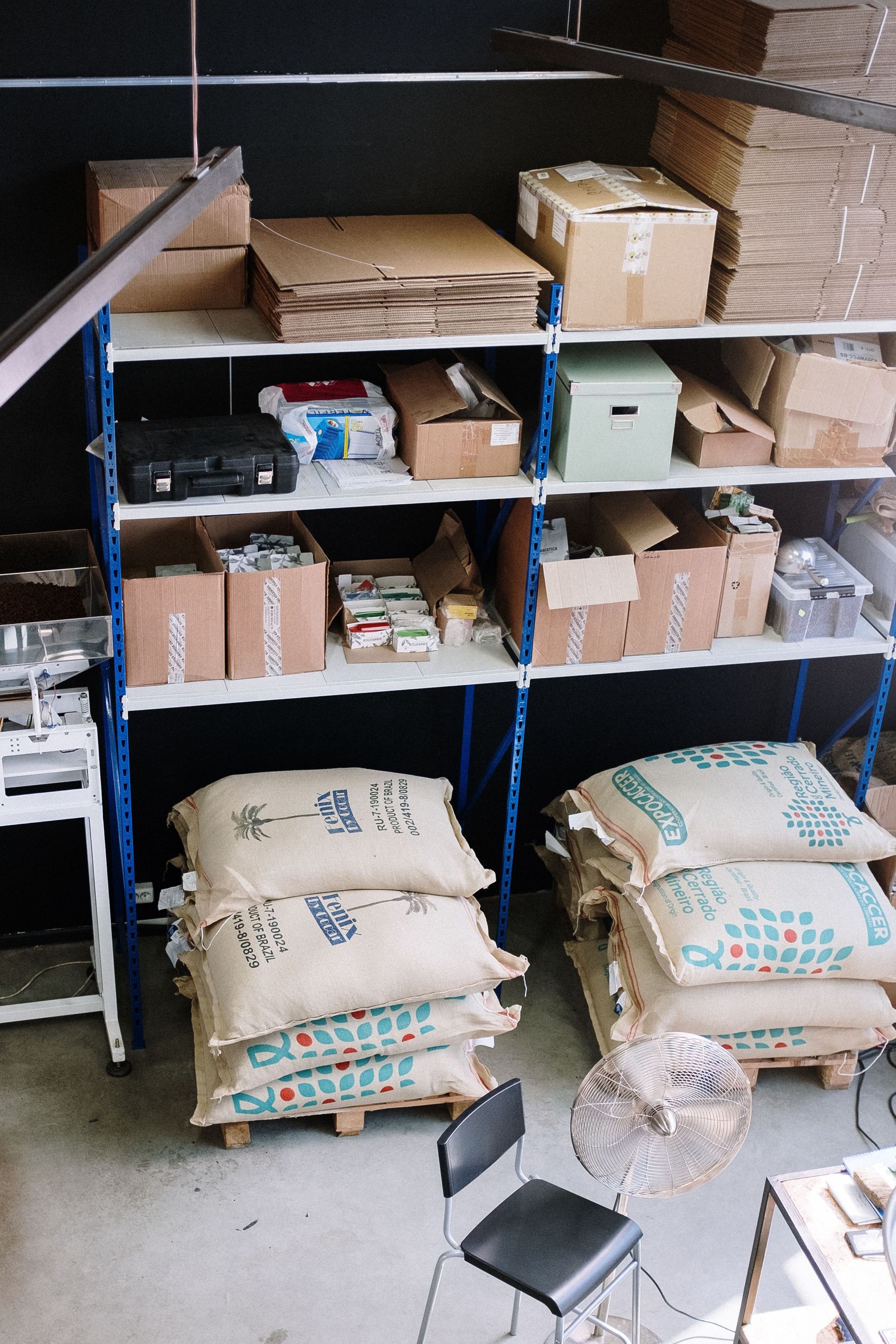
- Organized pallet and shelf storage
- Inventory tracking systems
- Order fulfillment and packing
- Shipping coordination
- Receiving and inspecting incoming inventory
For e-commerce companies, this type of support can significantly simplify day-to-day operations.
Improved Organization and Inventory Management
One of the biggest advantages of using a warehousing partner is improved organization.
Warehouses are designed to store products in structured systems that allow staff to quickly locate, track, and manage inventory. Many facilities use barcode systems and digital tracking tools that help business owners see exactly how much stock they have available at any given time.
This level of organization helps reduce errors and ensures that orders can be fulfilled quickly and accurately.
More Space to Grow Your Business
Home storage works well when a business is small, but it can quickly become limiting. When inventory fills the garage or spare room, business owners often struggle to order additional products or expand their product line.
A warehouse provides scalable storage space so your inventory can grow alongside your business. Instead of worrying about where new shipments will fit, you can focus on marketing, customer service, and product development.
Faster and More Efficient Order Fulfillment
As order volume increases, packing and shipping orders from home can consume a large portion of the workday. Warehousing services often provide fulfillment support that can dramatically improve efficiency.
Professional warehouse teams are experienced in picking, packing, and shipping products quickly. With organized inventory systems in place, they can process orders faster than most small businesses can manage on their own.
This leads to faster delivery times and improved customer satisfaction.
Reduced Stress and Operational Bottlenecks
Many e-commerce founders reach a point where inventory management becomes overwhelming. When your home doubles as a warehouse, it can be difficult to separate work from personal life.
Moving inventory to a warehouse allows business owners to regain valuable time and space. Instead of spending hours sorting boxes and preparing shipments, entrepreneurs can focus on growing the business and building their brand.
This shift often marks an important milestone in the evolution of a successful e-commerce company.
Professional Handling and Product Protection
Warehouses are designed to store products safely and efficiently. Inventory is protected from environmental factors, mishandling, and disorganization that can sometimes occur in home storage setups.
Professional facilities typically offer:
- Secure storage environments
- Organized shelving and pallet systems
- Controlled access to inventory
- Receiving and inspection of incoming shipments
These safeguards help ensure that products arrive to customers in excellent condition.
Preparing Your Business for Long-Term Growth
One of the most important advantages of B2B warehousing is the ability to scale your operations. As order volume increases, warehouse services can handle the growing logistics demands of your business.
Instead of scrambling to create more space at home or hiring additional staff to manage inventory, warehousing solutions allow your business to expand without creating operational chaos.
This flexibility makes it easier to pursue new opportunities such as launching additional product lines, entering new markets, or increasing marketing efforts.
Taking the Next Step in Your E-Commerce Journey
Every successful e-commerce business eventually reaches a turning point where managing inventory from home is no longer sustainable. When boxes start piling up and order fulfillment becomes a daily challenge, it may be time to consider a more professional approach.
B2B warehousing services provide the infrastructure and organization needed to support growing online businesses. By partnering with a professional warehouse, entrepreneurs can improve efficiency, reduce stress, and create the foundation for long-term success.
For many e-commerce companies, moving inventory out of the garage and into a warehouse is not just a logistical upgrade. It is a major step toward becoming a truly scalable business.