Six Signs Your Business Has Outgrown Its Current Storage Setup
Most growing businesses don't decide to start using a warehouse.
They arrive at it gradually, usually after the garage filled up, then the spare office, then a self-storage unit across town, and then a second one. It works until it doesn't, and the point where it stops working is rarely obvious while you're in it.
If you're wondering whether you've crossed that line, here are the signs worth paying attention to.
1. You're Paying for Space You Can't Use Well
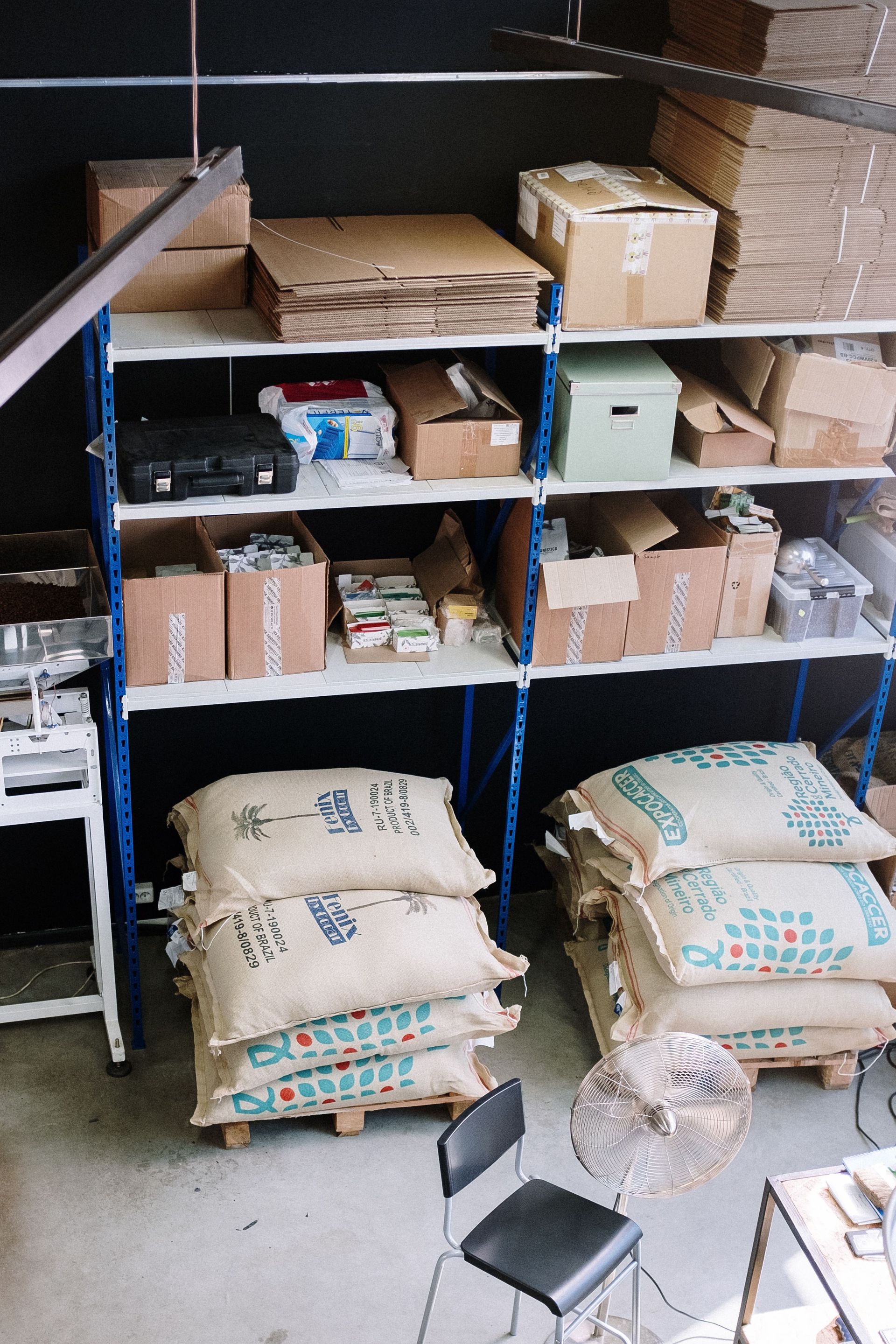
Self-storage units are priced by square footage and built for household goods, not pallets. There's no dock, no forklift access, and usually a low ceiling that wastes most of the vertical space you're paying for.
If you're renting multiple units, or stacking product by hand because nothing else fits through the door, you're paying a premium rate for a poor fit.
2. Finding Things Takes Real Time
Nobody tracks inventory carefully when it's spread across a back room and two storage units. You know roughly what you have. Roughly works until a customer asks for something specific, or you order more of something you already own, or you discover a case that's been sitting past its date.
Once "let me go check" has become a regular part of your week, the cost has stopped being just rent.
3. Receiving Freight Has Become a Production
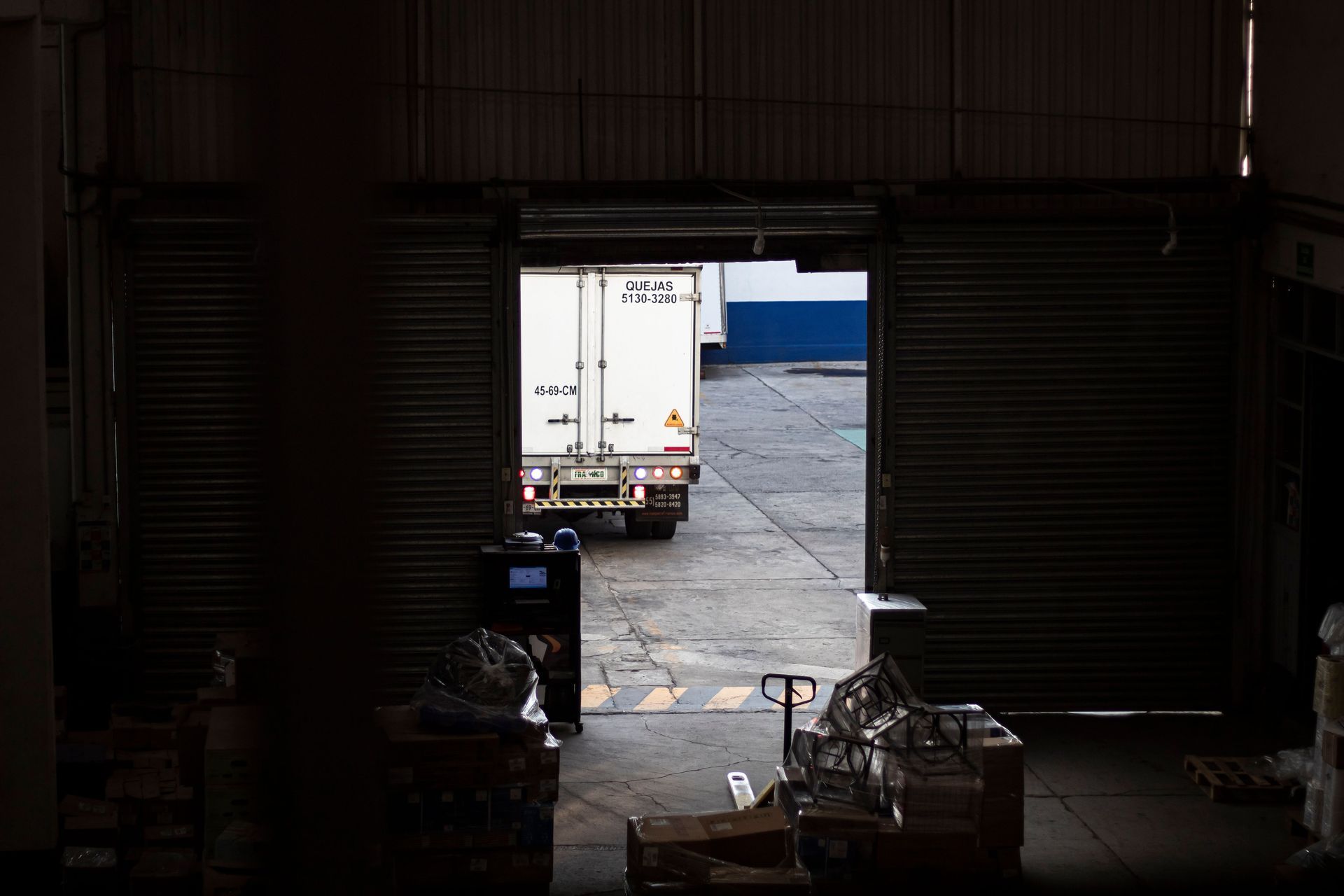
A full truckload showing up at a business without a dock is a logistical event. Someone has to be there, the driver needs somewhere to unload, and the product has to get moved by hand into whatever space exists.
If inbound shipments are disrupting your actual work, or if you've started turning down better freight pricing because you can't receive full truckloads, that constraint is costing more than it appears.
4. Seasonal Swings Are Forcing Bad Decisions
Businesses with seasonal demand often end up sizing their space for the peak and paying for it all year, or sizing for the average and scrambling when volume arrives.
Neither is a good outcome. Flexible storage that scales up and back down with your season solves a problem that fixed space simply can't.
5. Your Product Deserves Better Conditions
This one matters most for food, agricultural products, and anything with compliance requirements attached. Self-storage facilities aren't built for food-grade handling. There's no pest management program designed around product safety, no sanitation protocol, and no documentation if a question ever comes up.
If you're selling into retail or food service channels, your buyers may eventually ask where your product has been stored. It's worth having an answer you're comfortable giving.
6. You're Spending Time on Storage Instead of Your Business
This is the one that tends to tip the balance. Every hour spent moving boxes, driving between units, counting inventory, or meeting a truck is an hour not spent on the work that actually grows the company.
At some point the math changes, and paying someone else to handle storage costs less than continuing to handle it yourself.
What Changes When You Make the Move
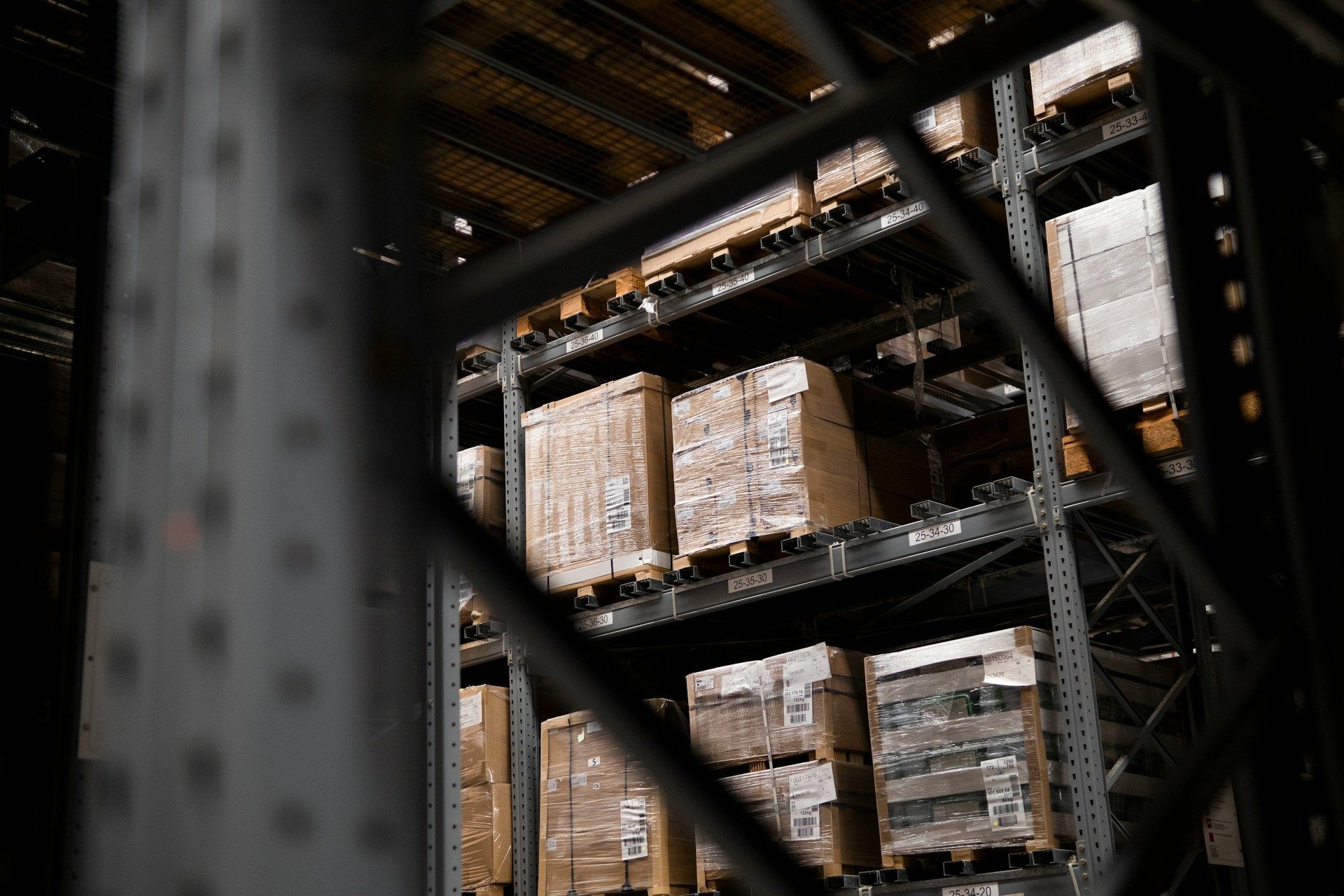
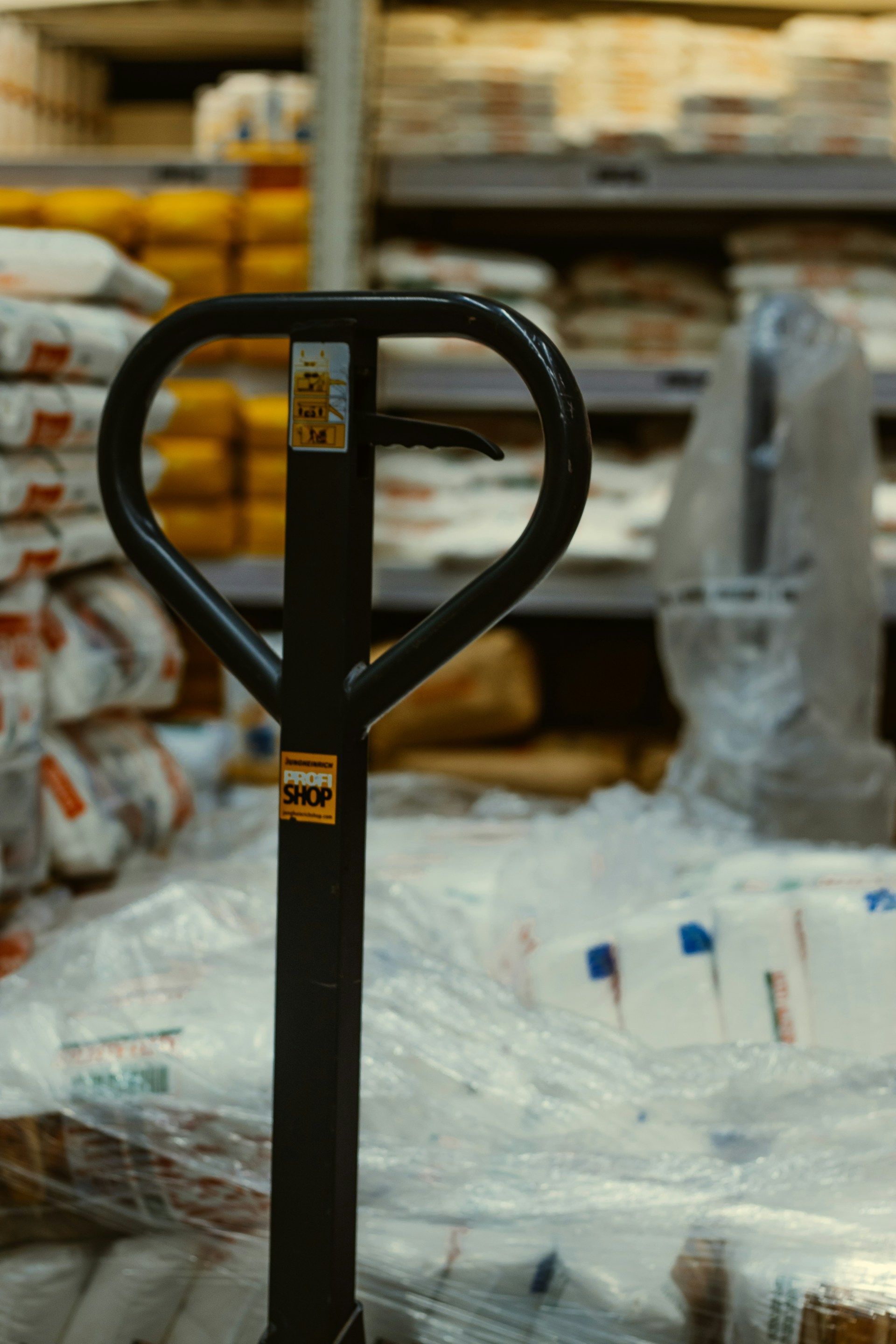
A proper warehousing arrangement brings dock access and equipment for handling freight efficiently, inventory tracking that tells you exactly what you have and where, flexible space that scales with demand rather than locking you into a fixed footprint, and handling services like palletizing and labeling that would otherwise fall to you.
It also removes a category of problem from your week entirely.
Worth a Conversation
1000 Springs Warehouse in Buhl, Idaho offers 218,800 square feet of SQF-certified indoor storage and 17.5 acres of gated outdoor space, with flexible short-term and long-term arrangements built around what businesses actually need rather than a fixed minimum.
If any of the above sounds familiar, get in touch and we'll talk through what a better setup might look like.