What to Expect When You Move Inventory to a Third-Party Warehouse for the First Time
Handing your inventory to someone else is a bigger psychological step than most people expect.
You've been the one who knows where everything is. Now a facility you don't own has your product, and you're trusting a process you haven't seen work yet.
The process itself is more straightforward than the anxiety suggests. Here's how it typically goes.
The First Conversation
Before anything moves, a good facility will want to understand what you're storing, roughly how much, how often it comes in and goes out, and whether anything about it needs special handling.
This is also your chance to ask questions. How is pricing structured? What happens if volume changes? Who's your point of contact when something needs attention? The quality of answers here tends to predict the quality of the relationship.
Bring real numbers if you have them. Approximate inbound volume, approximate outbound frequency, and your busiest and slowest months give the facility enough to quote accurately instead of hedging.
Setting Up Your Account
Once terms are agreed, there's a setup phase. Your products get entered into the warehouse management system, usually with SKUs, descriptions, dimensions, and any lot or expiration tracking requirements.
This step matters more than it sounds. Accurate product setup is what makes everything downstream work, so it's worth taking time to get SKUs and descriptions right rather than cleaning them up later.
You'll also establish how you want to communicate. Some businesses prefer email, some want portal access, some want both. Sort this out before product arrives.
Scheduling Your First Inbound
Receiving is scheduled rather than spontaneous. You or your carrier books a delivery window, and the facility plans dock and labor around it.
Your paperwork should match what's actually on the truck. Purchase orders, packing lists, and lot numbers all get checked against the physical shipment during receiving, and discrepancies get flagged. That's the system working correctly, though it does mean sloppy paperwork creates delays.
Expect the first inbound to take longer than later ones. Everyone is learning your product.
Receiving and Put-Away
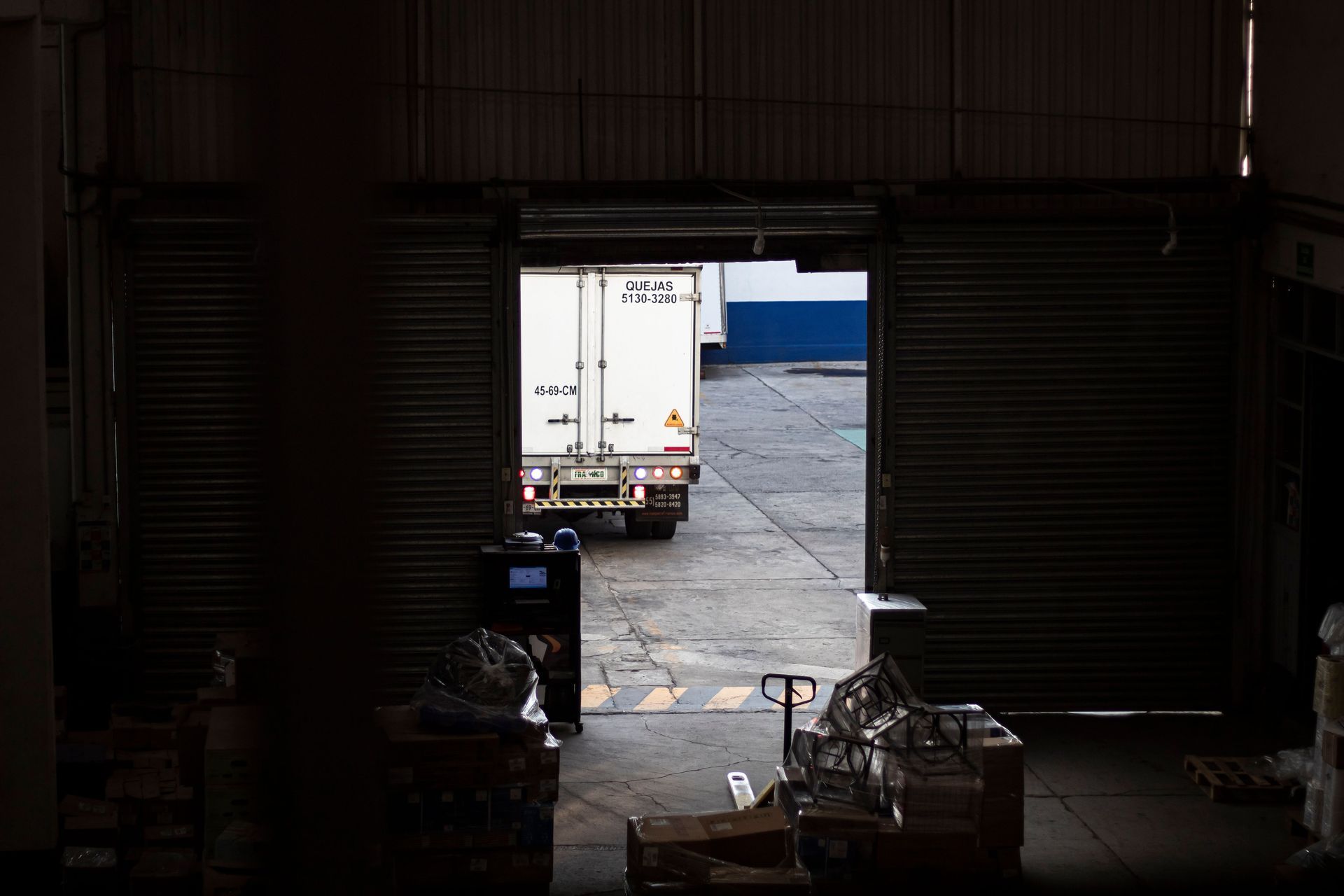
When the truck arrives, product is unloaded, counted, checked against your documentation, and recorded into the system. Any damage or shortage gets noted at this point, which protects both parties.
From there it's assigned to storage locations and becomes visible in inventory. For food products or anything with lot requirements, this is where traceability begins.
You should be able to see confirmed quantities within a day or so of receiving.
Your First Outbound Order
Shipping out works in reverse. You submit an order, the facility picks it, stages it, and loads it onto the outbound carrier. Documentation follows.
The first few orders are worth watching closely, not because something is likely to go wrong, but because it's how you learn the rhythm of the relationship. How quickly do orders get acknowledged? How accurate is the pick? How clear is the paperwork coming back?
Settling In
After a month or two, most of this becomes routine. Inventory levels are visible, order patterns are established, and the facility knows your product well enough to anticipate what you need.
That's usually when businesses start asking about value-added services they hadn't considered, like custom palletizing, labeling and barcoding, private label packaging, or cross-docking for faster-moving product.
Getting Started
1000 Springs Warehouse in Buhl, Idaho works with businesses making this transition regularly, including plenty who have never used third-party storage before. Our SQF-certified facility offers 218,800 square feet of indoor space and 17.5 acres of gated outdoor storage, with a team that will walk you through the process rather than hand you a contract.
Reach out today and we'll start with the conversation.