How to Prepare Your Products for Commercial Warehouse Storage: A Practical Checklist
Moving inventory into a commercial warehouse can be a major step forward for a growing business.
It frees up valuable space, improves access to professional handling equipment, and gives companies the flexibility to manage larger shipments without expanding their own facilities.
However, there's an important detail that businesses sometimes overlook: how inventory is prepared before it arrives at the warehouse.
A shipment that's properly packaged, labeled, documented, and coordinated is generally easier to receive and organize. One that arrives with missing information, unstable pallets, or inconsistent product labels can require additional handling and delay the receiving process.
At 1000 Springs Warehouse in Buhl, Idaho, we work with businesses that need reliable storage and logistics support, from agricultural producers to retailers and distributors.
If you're preparing to move products into a commercial warehouse for the first time, this checklist can help you understand what to organize before your shipment leaves.
1. Confirm What the Warehouse Can Accommodate
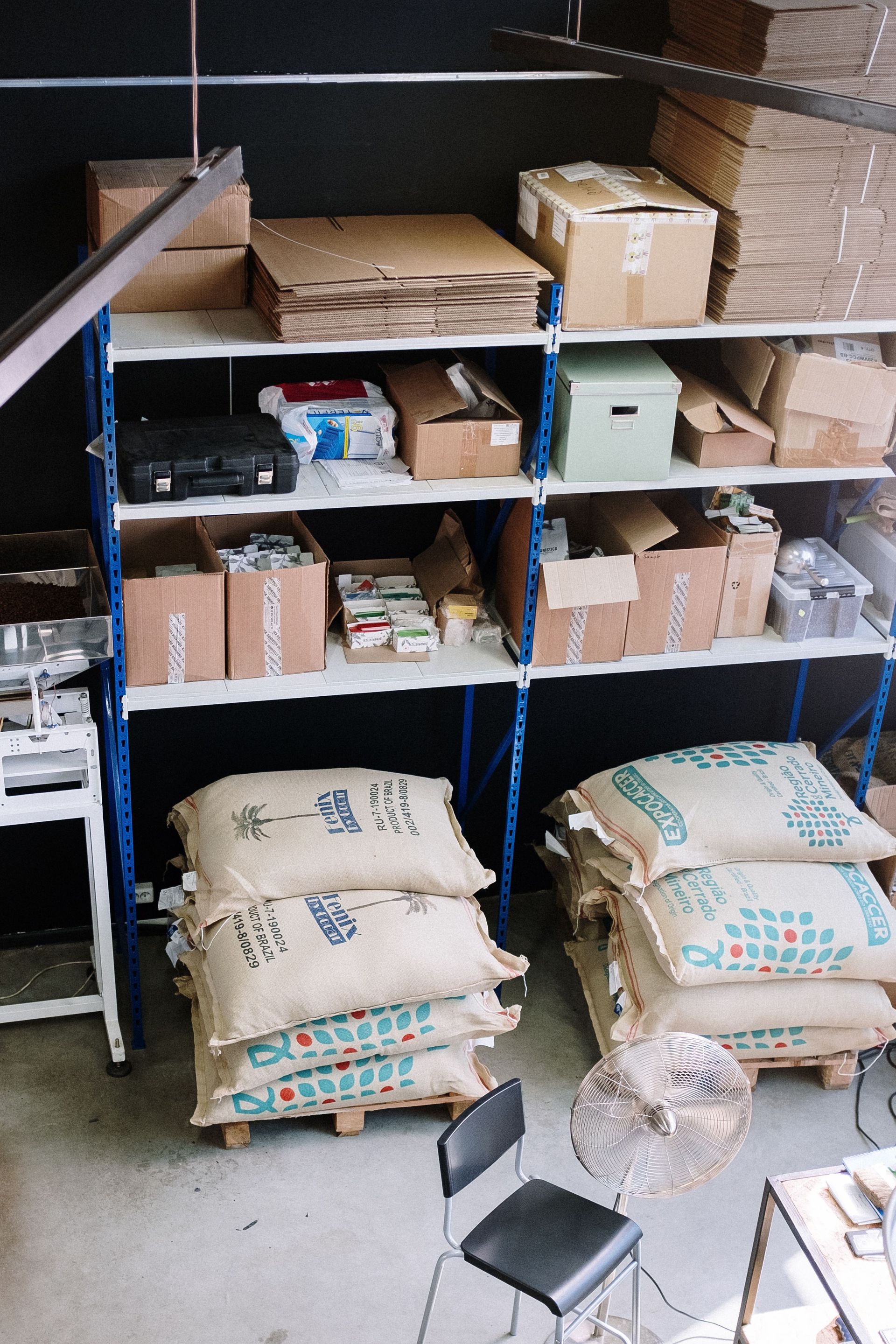
Before scheduling a delivery, make sure the facility is equipped to handle your specific inventory.
Different products have different storage requirements.
Packaged food, bulk agricultural commodities, construction materials, and oversized industrial supplies may all require different handling procedures.
Start by identifying the characteristics of your inventory.
Consider the following:
- What types of products are you storing?
- Are they packaged, palletized, or shipped in bulk?
- Do they have specific temperature or environmental requirements?
- Are any products fragile, unusually heavy, or oversized?
- Do they require special handling or documentation?
- Will they need indoor or outdoor storage?
For food products, it's especially important to confirm that the warehouse can accommodate the appropriate storage conditions.
Not every commercial warehouse is designed for food storage, and not every food-grade facility provides refrigerated or frozen storage.
1000 Springs Warehouse offers ambient food-grade storage as well as indoor and gated outdoor storage solutions for various eligible products.
Confirming suitability before your shipment arrives helps both your business and the warehouse plan appropriately.
2. Prepare an Accurate Inventory List
An organized inventory list is one of the most useful documents you can provide to a warehouse.
Before shipping, identify each product and the quantity being delivered.
Depending on your products, useful information may include:
- Product name and description
- Stock-keeping unit (SKU)
- Number of cases or individual units
- Number of pallets
- Lot or batch number
- Expiration or best-by date, when applicable
- Product weight and dimensions
- Special handling instructions
Accurate product information helps warehouse staff compare incoming shipments against expected inventory.
It also supports the setup of products within a warehouse management system.
If your business uses its own inventory software, discuss how your records and product identifiers will be coordinated with the warehouse.
Consistent SKUs, descriptions, and units of measure can help prevent confusion later.
For businesses moving into third-party storage for the first time, our article on what to expect when moving inventory to a third-party warehouse provides additional information about the onboarding process.
3. Make Sure Your Products Are Properly Palletized
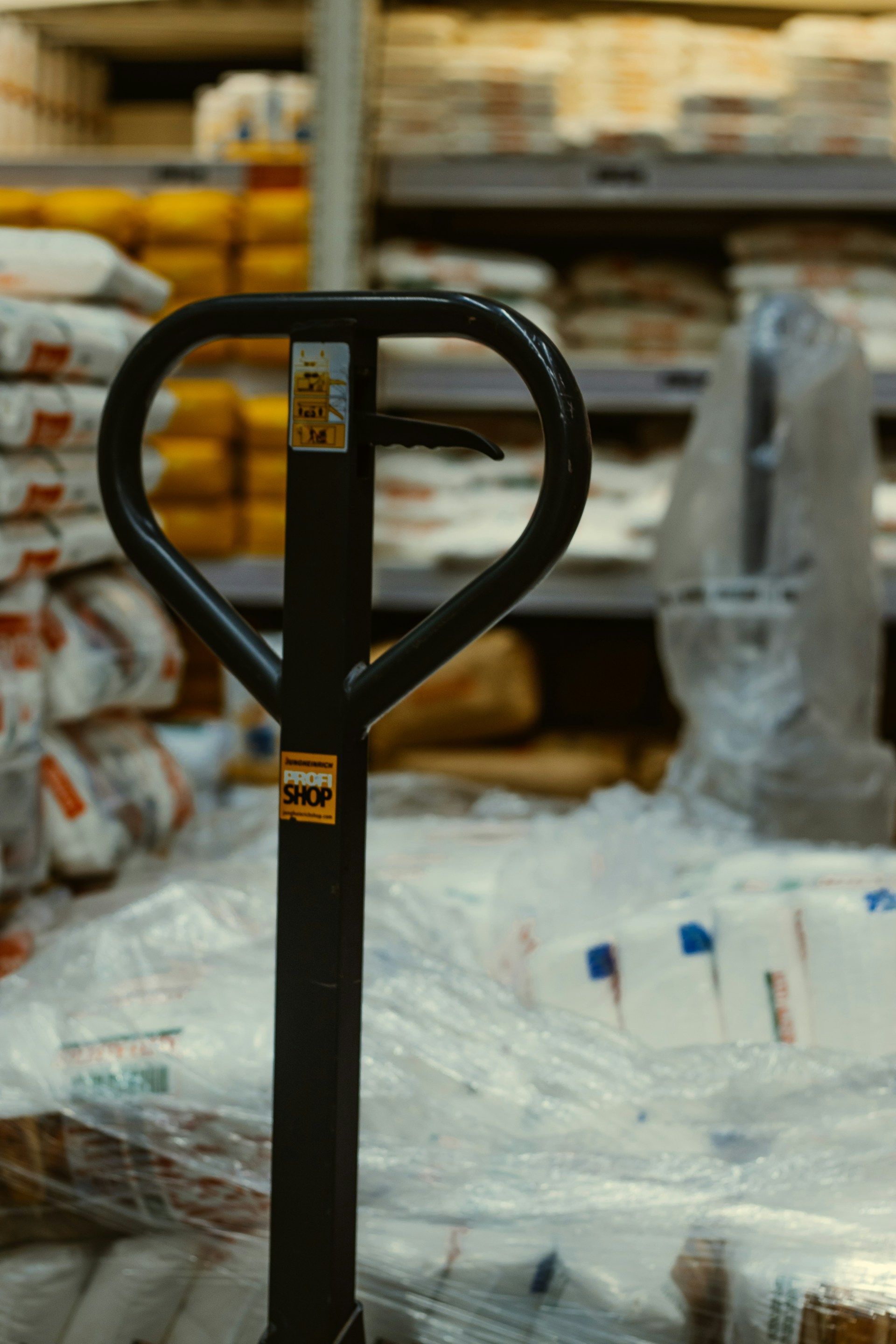
Palletizing makes many commercial shipments easier to transport, handle, and store.
However, simply stacking boxes on a pallet isn't enough.
A poorly assembled pallet can shift during transportation, become difficult to handle with equipment, or put products at risk of damage.
When preparing palletized freight, consider these best practices.
Use Pallets Suitable for Your Products
Choose pallets that are appropriate for the weight, dimensions, and handling requirements of your inventory.
Damaged pallets or those with broken boards may create unnecessary risks during handling.
Some customers or distribution channels also have particular pallet specifications, so confirm requirements before shipping.
Distribute Weight Appropriately
Place heavier items where they provide a stable foundation, and avoid creating uneven loads.
Keep the load balanced and compatible with the pallet's rated capacity.
For products that cannot be safely stacked, communicate that requirement to the warehouse in advance.
Secure the Load
Use suitable stretch wrap, straps, corner protection, or other packaging materials to stabilize products during transportation.
The appropriate method depends on the product, pallet configuration, and transportation conditions.
Avoid Excessive Overhang
Boxes extending beyond the edge of a pallet may be more vulnerable to damage.
Whenever practical, keep products within the pallet footprint and follow applicable carrier and warehouse requirements.
Proper pallet preparation helps support safer handling and can reduce the need for corrective work after arrival.
4. Label Your Inventory Clearly
Clear labeling is essential for keeping warehouse inventory organized.
At a minimum, the warehouse needs to identify the products it receives and match them to the appropriate records.
Depending on the arrangement, labels may contain product descriptions, SKUs, quantities, lot numbers, or other identifying information.
Barcodes can make this process more efficient when they are compatible with the warehouse's inventory tracking procedures.
For businesses distributing products to retail customers, labeling requirements may also depend on the retailer or distributor receiving the finished goods.
Before shipping, ask your warehouse partner which labels it expects, where those labels should be placed, and whether additional identification is required for mixed pallets.
If your products aren't labeled appropriately, you may need additional preparation services.
1000 Springs Warehouse offers labeling, barcoding, custom palletizing, and repacking services that can help businesses address various inventory preparation needs.
Discussing these requirements in advance can help determine which tasks should be completed before arrival and which services may be available through the warehouse.
5. Organize Your Shipping Documentation
Even a perfectly packaged shipment can become difficult to process if the paperwork doesn't match the products arriving at the loading dock.
Commercial shipments generally involve documents identifying the contents, parties involved, and transportation details.
Depending on the shipment, these may include a bill of lading, packing list, purchase order, or other documentation.
Review these documents carefully.
The product descriptions, quantities, and identifiers should be consistent across your paperwork and the physical shipment.
For products requiring lot tracking, verify that the necessary lot information is included or otherwise communicated according to your warehouse's procedures.
If your shipment includes several different products, provide enough detail to help the receiving team identify what belongs where.
Accurate paperwork reduces unnecessary questions and makes discrepancies easier to investigate.
It also helps establish reliable records when products enter storage.
6. Schedule Your Delivery Before the Truck Arrives
Commercial warehouse receiving generally works best when deliveries are coordinated in advance.
Unlike a small business receiving an occasional parcel, a warehouse may be managing multiple incoming and outgoing trucks, equipment operators, and scheduled loading activities.
Sending freight without confirming a receiving appointment can cause problems for both the driver and warehouse staff.
Before dispatching your shipment, confirm:
- The warehouse's receiving address
- Required appointment procedures
- Expected delivery date and time
- Carrier and shipment information
- Total pallet count or shipment size
- Any unusual unloading requirements
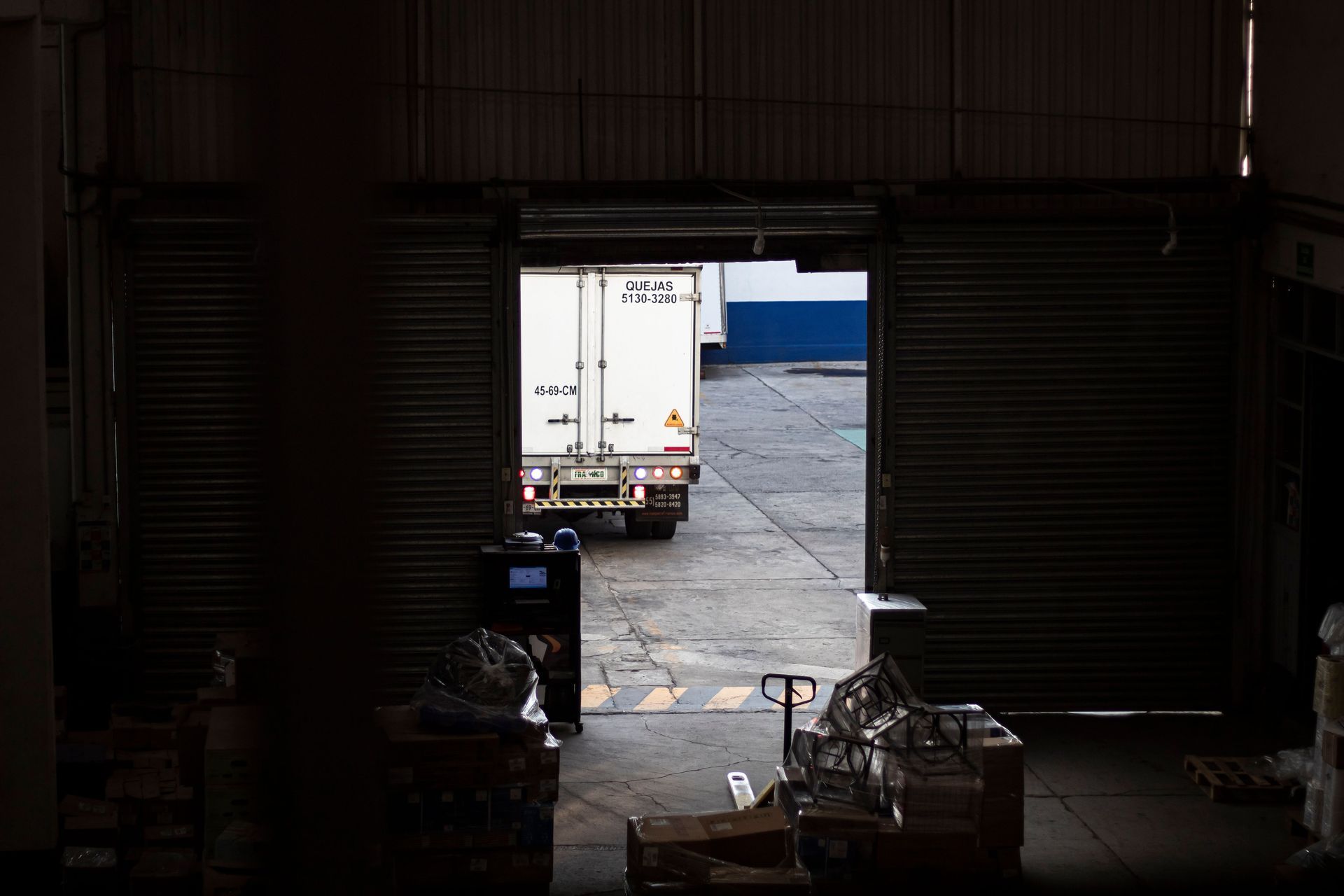
1000 Springs Warehouse requires scheduled appointments for freight loading and unloading.
Coordinating in advance helps the team prepare for your shipment and determine whether specialized handling or additional planning is necessary.
It's also worth communicating with your freight carrier about appointment requirements so everyone understands the delivery expectations.
7. Consider Whether Your Products Need Additional Preparation
Some products arrive at a commercial warehouse ready to be stored and distributed.
Others may need labeling, repacking, pallet adjustments, or other preparation before they can move to the next stage of the supply chain.
For example, a business might receive bulk quantities from a manufacturer but need those products divided into smaller packaging formats for retail customers.
Another company might need pallets organized according to a distributor's specifications.
These are situations where value-added warehousing services can become especially useful.
Depending on the products and project requirements, services may include:
- Custom pallet configurations
- Repacking and consolidation
- Product-specific labeling
- Barcode creation and application
- Private label packaging
- Freight coordination
1000 Springs Warehouse offers these types of services in addition to traditional storage.
Having storage and product preparation capabilities available through the same provider can reduce the number of separate vendors a business needs to coordinate.
Before shipping, discuss which services your products require and confirm their scope, availability, and pricing.
8. Understand How Inventory Will Be Received and Tracked
Once your shipment arrives, warehouse receiving procedures help establish the inventory records that will be used throughout its storage period.
Depending on the arrangement, the process may include unloading, counting products, checking identifying information, documenting discrepancies, and assigning storage locations.
The quality of information provided before arrival can affect how smoothly these steps proceed.
A warehouse management system helps organize the resulting records and track inventory movement.
For businesses with multiple products or frequent shipments, this visibility can be especially valuable.
Ask your warehouse partner how inventory is recorded, how discrepancies are communicated, and what information will be available after receiving.
Understanding these procedures helps your team maintain accurate records and coordinate future orders.
9. Plan for Your First Outbound Shipment, Too
Preparing inventory for warehouse storage isn't only about getting products into the building.
Eventually, those products need to leave.
Before your first inbound shipment, consider how you'll request outbound orders and what your customers expect when freight arrives.
Will you ship full pallets or smaller quantities?
Do different customers have specific labeling or pallet requirements?
How much advance notice is required to schedule outgoing freight?
Will products need to be repacked before distribution?
Discussing these questions during onboarding can prevent problems later.
It also helps the warehouse understand whether your inventory will remain in storage for extended periods or move through the facility frequently.
A Warehouse Partner That Helps Simplify the Process
Preparing products properly for commercial storage takes some initial coordination, but that preparation can pay off through smoother receiving, more accurate inventory records, and easier distribution.
For businesses throughout Idaho and the surrounding region, professional warehousing can provide valuable flexibility without requiring an investment in additional storage facilities or equipment.
At 1000 Springs Warehouse in Buhl, Idaho, we offer flexible indoor and outdoor storage, food-grade warehousing, inventory management, custom palletizing, labeling, barcoding, and freight assistance.
Whether you're preparing a single large shipment or establishing an ongoing warehousing arrangement, our team can help you understand the available storage and handling options.
Ready to move your inventory into professional warehouse storage?
Contact 1000 Springs Warehouse to discuss your products, anticipated storage needs, and receiving requirements.
You can also call (208) 543-2111 to speak with our team about commercial warehousing services in Buhl, Idaho.