Outdoor & Seasonal Storage for Agricultural Businesses | 1000 Springs Warehouse
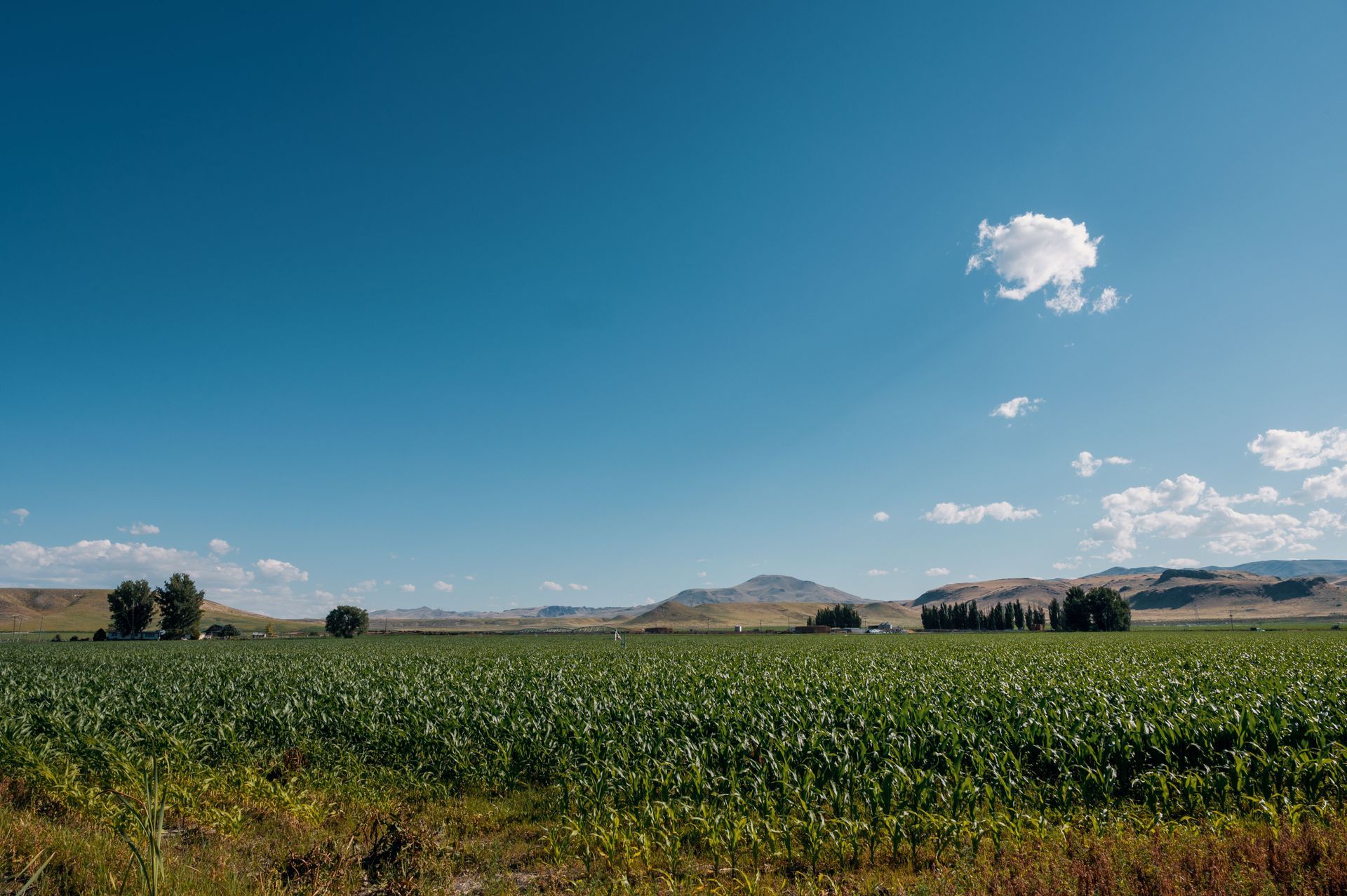
Agriculture runs on cycles, and cycles create storage problems.
Equipment sits idle for months. Inputs arrive before they're needed. Product comes off the field faster than it can move to market. For a lot of operations in the Magic Valley, the constraint isn't whether there's work to do. It's where to put things between the doing.
Indoor warehousing solves part of that. But plenty of what agricultural and equipment-heavy businesses need to store doesn't require a roof, and paying indoor rates for it doesn't make sense. Here's what to think about when outdoor storage is the better fit.
What Belongs Outside
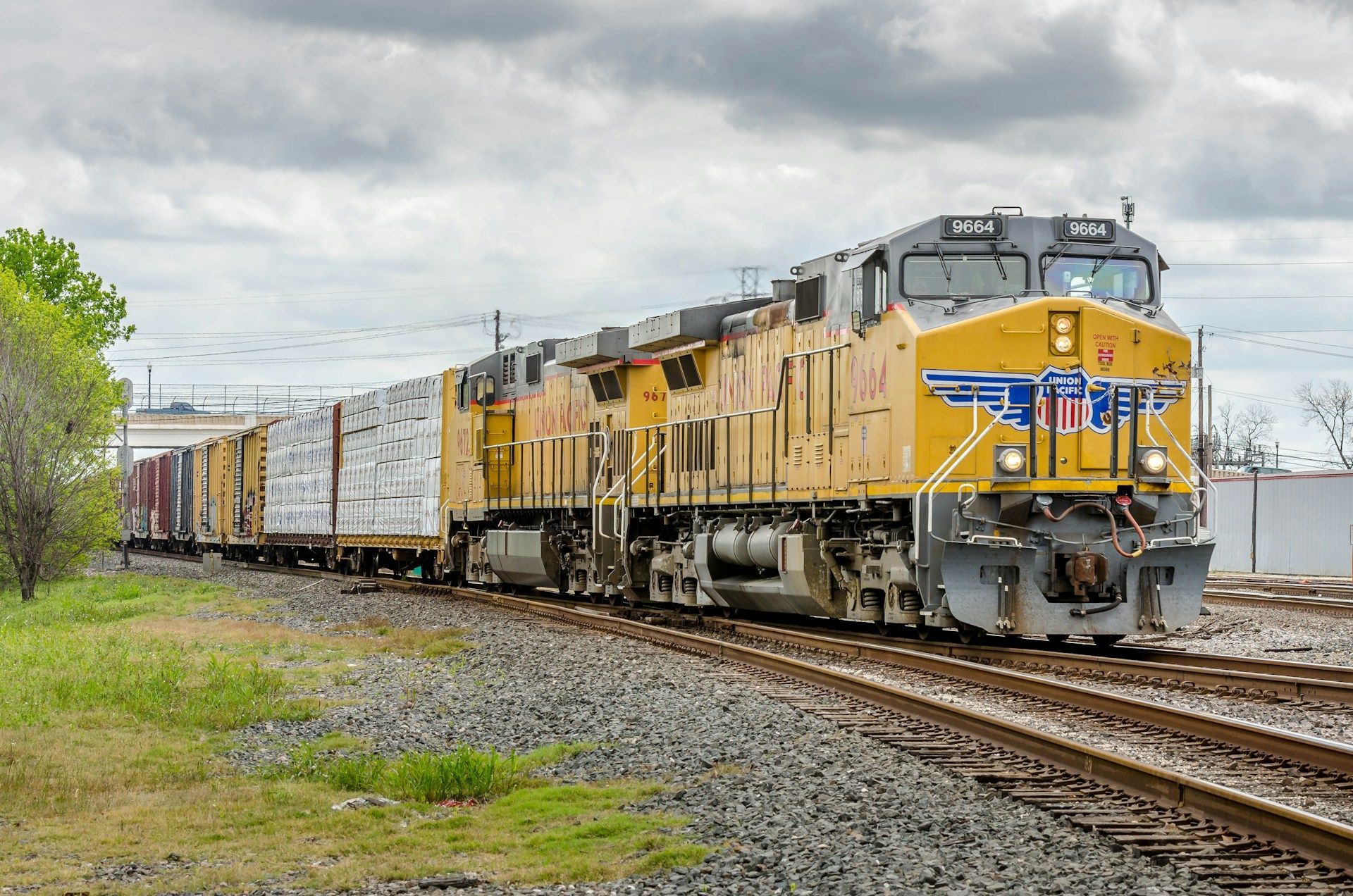
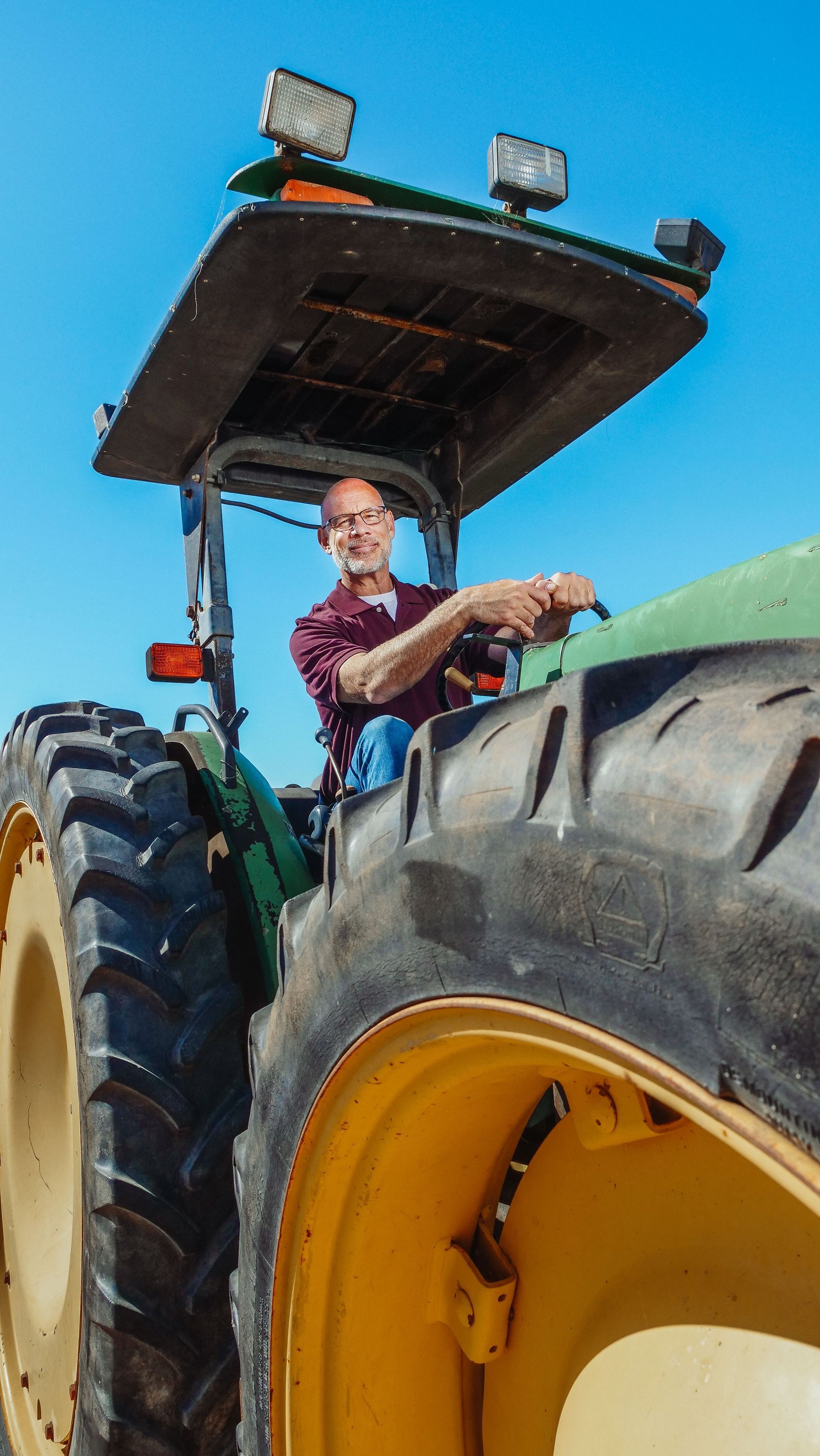
Not everything needs climate control or four walls. Equipment and machinery between seasons, construction materials staged between projects, non-hazardous inputs like seed and soil amendments, and oversized items that won't fit standard racking are all reasonable candidates for outdoor storage.
The test is usually durability and value density. If an item tolerates weather and isn't easily walked off with, outdoor space is generally the more economical choice.
What Actually Matters in an Outdoor Yard
Outdoor storage varies enormously in quality, and the differences are worth understanding before you commit.
Security. Gated access is the baseline. Beyond that, ask about surveillance coverage, whether access is logged, and who else has entry to the yard. A fence around a field isn't the same as a controlled facility.
Surface and drainage. A yard that turns to mud after a storm is a yard your equipment gets stuck in. Ask what the surface is and how it drains.
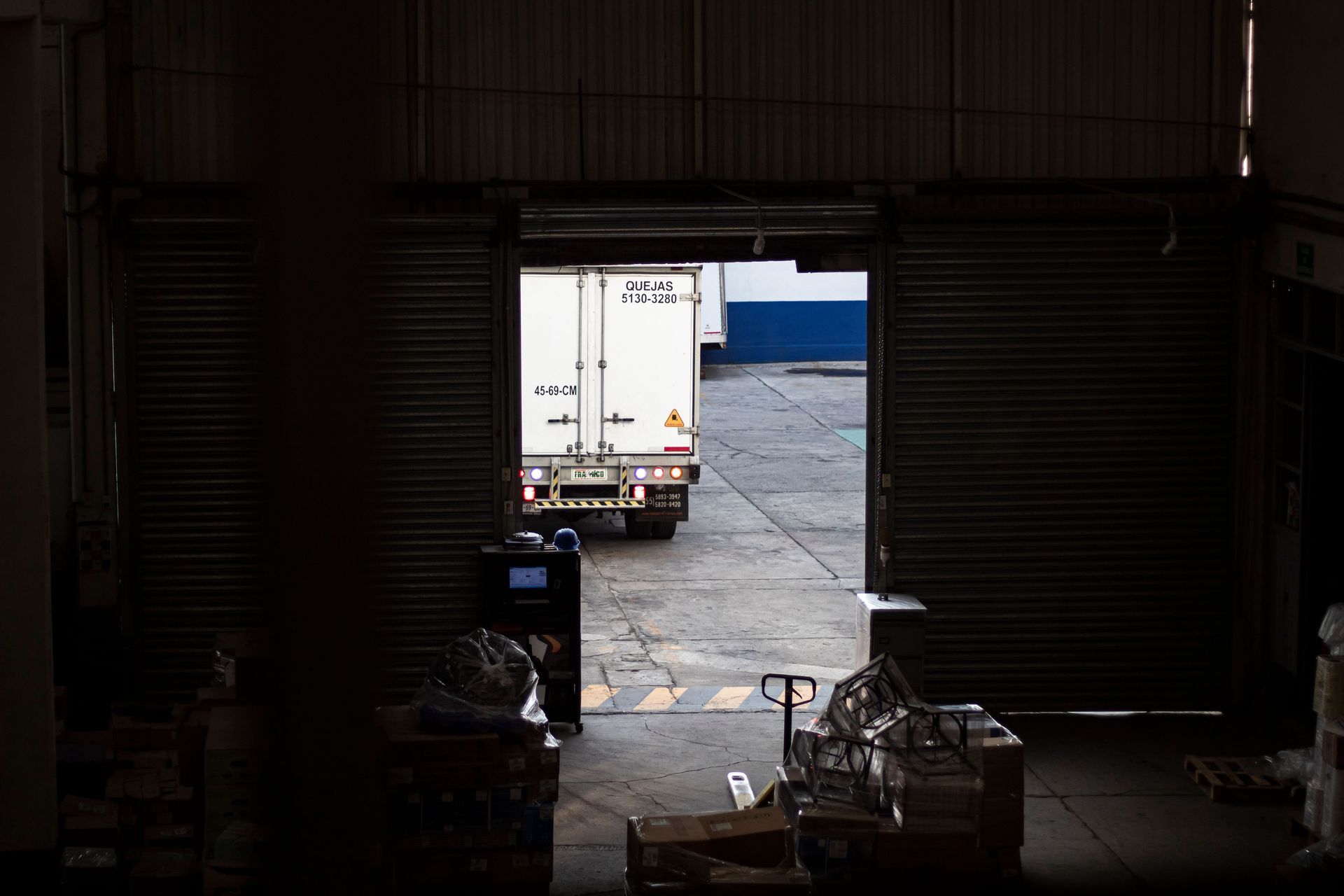
Access for the equipment you actually use. Getting a semi or a lowboy in and out matters. So does turning radius, gate width, and whether the yard is laid out for maneuvering or just parking.
Proximity to freight routes. If you're moving equipment or materials in and out regularly, the miles between the yard and the highway add up.
Flexibility in terms. Seasonal needs are seasonal. An arrangement that lets you scale space up before harvest and back down afterward is worth more than a slightly lower rate on a rigid annual commitment.
The Case for One Facility, Two Options
There's a practical advantage to working with a facility that offers both indoor and outdoor space: your storage needs rarely stay in one category.
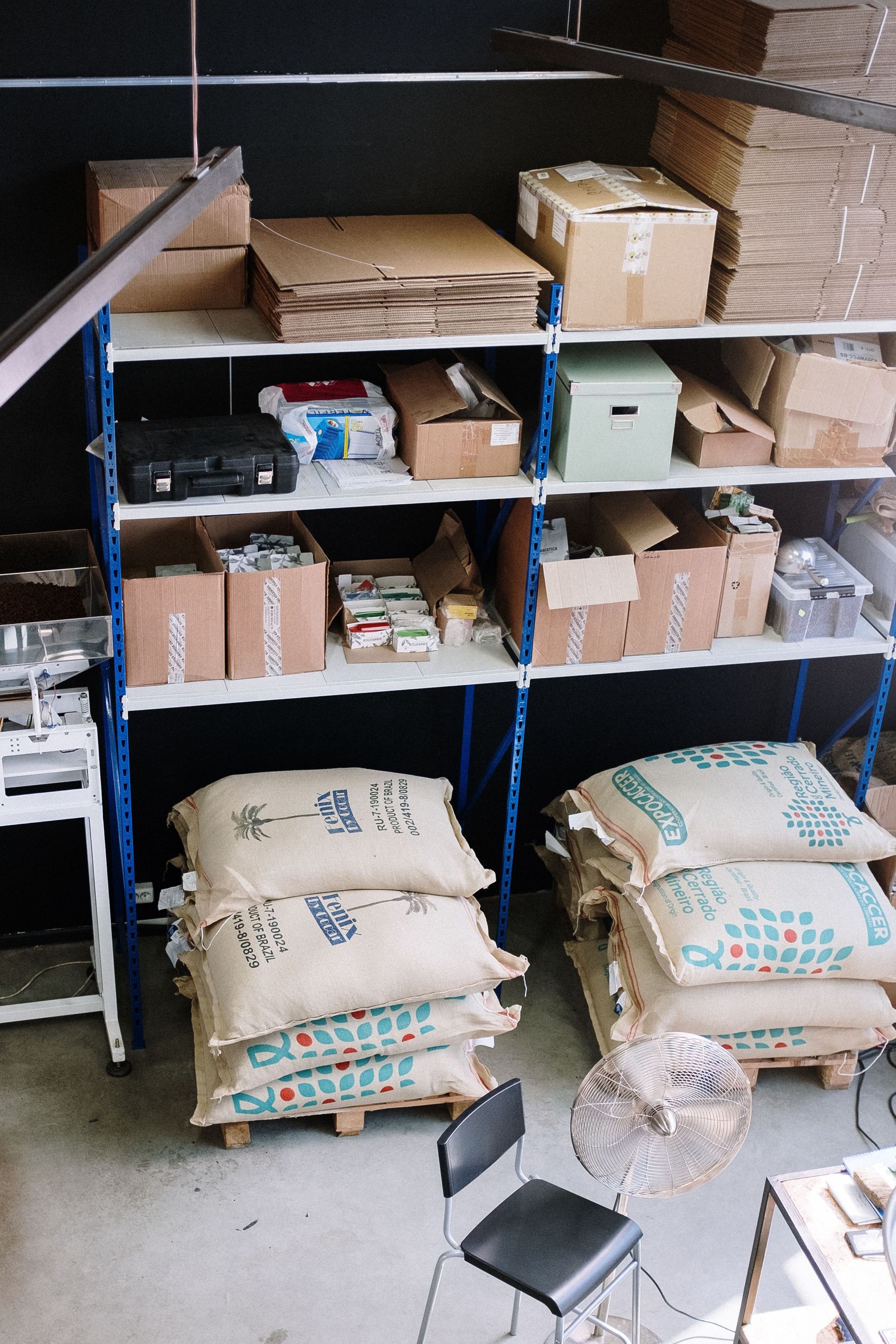
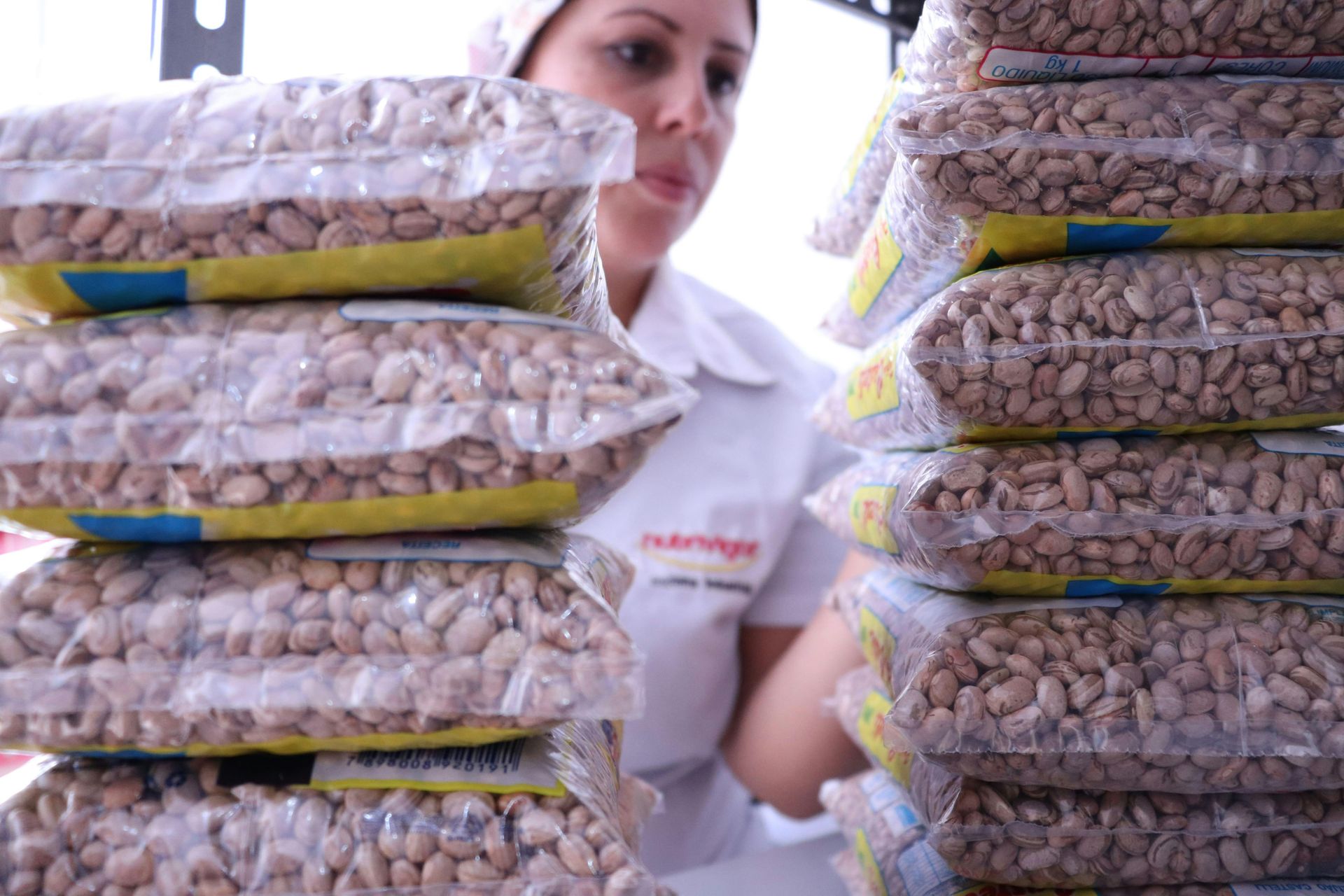
An operation might keep seed and packaged product indoors under controlled conditions while equipment and bulk materials sit in the yard. Or the mix might shift with the season, moving more inside during winter and back out during the working months.
Splitting that across two providers means two agreements, two billing relationships, and freight moving between sites. Keeping it under one roof, or one gate, simplifies the whole arrangement considerably. It also means the same team knows what you have and where.
Southern Idaho as a Storage Location
The Magic Valley sits at a useful point on the map. It's central to a significant amount of agricultural production, and it's well positioned relative to both the Boise metro and the Salt Lake corridor. For operations moving equipment or materials across the region, storing in the middle beats storing at either end.
Access to I-84 and U.S. Highway 30 matters here more than it might elsewhere, since equipment moves slowly and every extra mile of surface road costs time.
Space When You Need It
1000 Springs Warehouse in Buhl, Idaho offers 17.5 acres of gated outdoor storage alongside 218,800 square feet of SQF-certified indoor space, with direct access to I-84 and U.S. Highway 30. We work with agricultural operations, contractors, equipment dealers, and industrial businesses throughout southern Idaho, with flexible short-term and long-term arrangements that can scale with your season.
If you're trying to figure out where things go between cycles, get in touch and we'll talk through what you need.