Cross-Docking 101: How It Works and When It Makes Sense for Your Supply Chain
If you've spent any time researching warehousing and logistics services, you've probably come across the term "cross-docking" and wondered whether it's something your business actually needs.
It's one of those industry terms that gets used a lot without much explanation, so here's a straightforward breakdown of what it is, how it works, and when it makes sense to build into your supply chain.
What Cross-Docking Actually Means
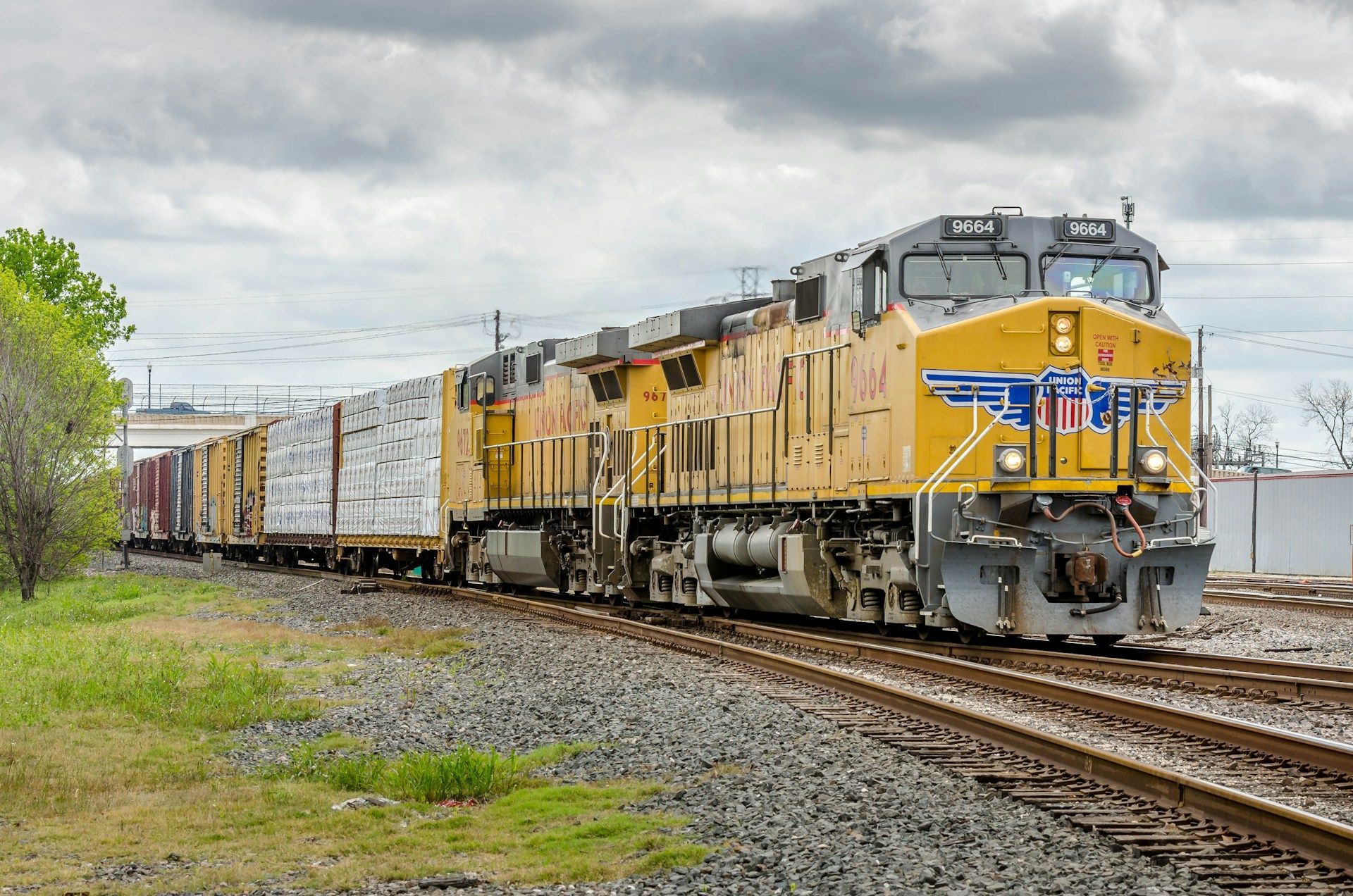
Cross-docking is a logistics practice where incoming goods are unloaded from an inbound truck or rail car and transferred directly to an outbound vehicle, with little to no time spent in long-term storage. Instead of product sitting on a shelf for days or weeks, it moves through the facility and back out the door, often within hours.
Think of it less like a warehouse and more like a relay station. Product comes in one door, gets sorted, consolidated, or repackaged as needed, and goes out another door headed toward its next destination.
How the Process Works
A typical cross-docking operation follows a few key steps. Inbound freight arrives and is checked against purchase orders or shipping manifests. Product is then sorted based on its final destination, whether that's a specific retail location, a regional distribution point, or a different carrier altogether. From there, it's either loaded directly onto outbound trucks or briefly staged before the next leg of its journey, and finally shipped out to its destination with minimal dwell time in the facility.
The efficiency of this process depends heavily on coordination. Inbound and outbound schedules need to be tightly aligned, and the facility needs the dock capacity, staffing, and warehouse management system to keep freight moving without bottlenecks.
The Benefits of Cross-Docking
The biggest advantage of cross-docking is speed. Product spends less time sitting still and more time moving toward the customer, which shortens overall delivery timelines. This speed also translates into cost savings, since less time in storage generally means lower handling and storage fees, along with reduced labor tied to putting product away and picking it back out again.
Cross-docking is also valuable for product freshness and quality, particularly for perishable goods or products with shelf-life sensitivity. The less time inventory spends sitting in a facility, the better. And for businesses managing multiple retail or distribution points, cross-docking makes consolidation easier. Freight from multiple suppliers can be combined and re-sorted for efficient onward shipment, rather than each supplier managing separate, less efficient shipments.
When Cross-Docking Makes Sense for Your Business
Cross-docking isn't the right fit for every supply chain, but it's a strong option in a few common scenarios.
If your business ships high-volume, fast-moving goods, cross-docking keeps that inventory flowing rather than tying it up in storage it doesn't need. If you're consolidating shipments from multiple suppliers before sending them on to retail locations or regional distribution points, cross-docking simplifies that process considerably. And if your products are perishable or time-sensitive, minimizing dwell time is often a priority worth designing your logistics around.
On the other hand, if your business relies more heavily on longer-term inventory storage, seasonal stockpiling, or unpredictable demand patterns, a traditional warehousing model, or a hybrid approach combining both storage and cross-docking capabilities, will likely serve you better.
Cross-Docking at 1000 Springs Warehouse
At 1000 Springs Warehouse in Buhl, Idaho, cross-docking is one of the services available alongside our traditional storage and fulfillment capabilities. Our facility's direct access to I-84 and U.S. Highway 30, combined with rail and truck accommodation, makes us well-positioned to support fast-moving freight that needs to keep going rather than sit still.
Whether your business needs pure cross-docking, traditional storage, or some combination of both depending on the season or product line, we can help design a logistics approach that fits your actual operation.
Curious whether cross-docking makes sense for your supply chain? Contact us today and we'll talk through your specific needs.