What Is SQF Certification and Why Does It Matter for Food-Grade Warehousing?
If you're searching for a food-grade warehouse in southern Idaho, you've probably come across the term "SQF certified" at some point in your research.
It sounds official. It sounds important. But what does it actually mean, and why should it factor into your decision when choosing a storage and logistics partner?
Here's a plain-language breakdown of what SQF certification is, what it requires, and why it matters for businesses that need to store food products safely and compliantly.
What SQF Stands For
SQF stands for Safe Quality Food. It's a food safety and quality management program administered by the Safe Quality Food Institute (SQFI), a division of the Food Marketing Institute. The program is recognized by the Global Food Safety Initiative (GFSI), which is the international benchmark for food safety standards across the supply chain.
In practical terms, SQF certification means a facility has been independently audited and verified to meet rigorous standards for food safety practices, facility hygiene, pest control, traceability, documentation, and employee training. It's not a one-time credential — certified facilities are audited on a regular basis to maintain their status.
What SQF Certification Requires
To earn and maintain SQF certification, a warehousing facility has to demonstrate compliance across several categories. These typically include documented food safety plans, controlled access and sanitation protocols, temperature and environmental monitoring where applicable, pest management programs, lot traceability systems that can track product from intake to shipment, and staff training on food handling procedures.
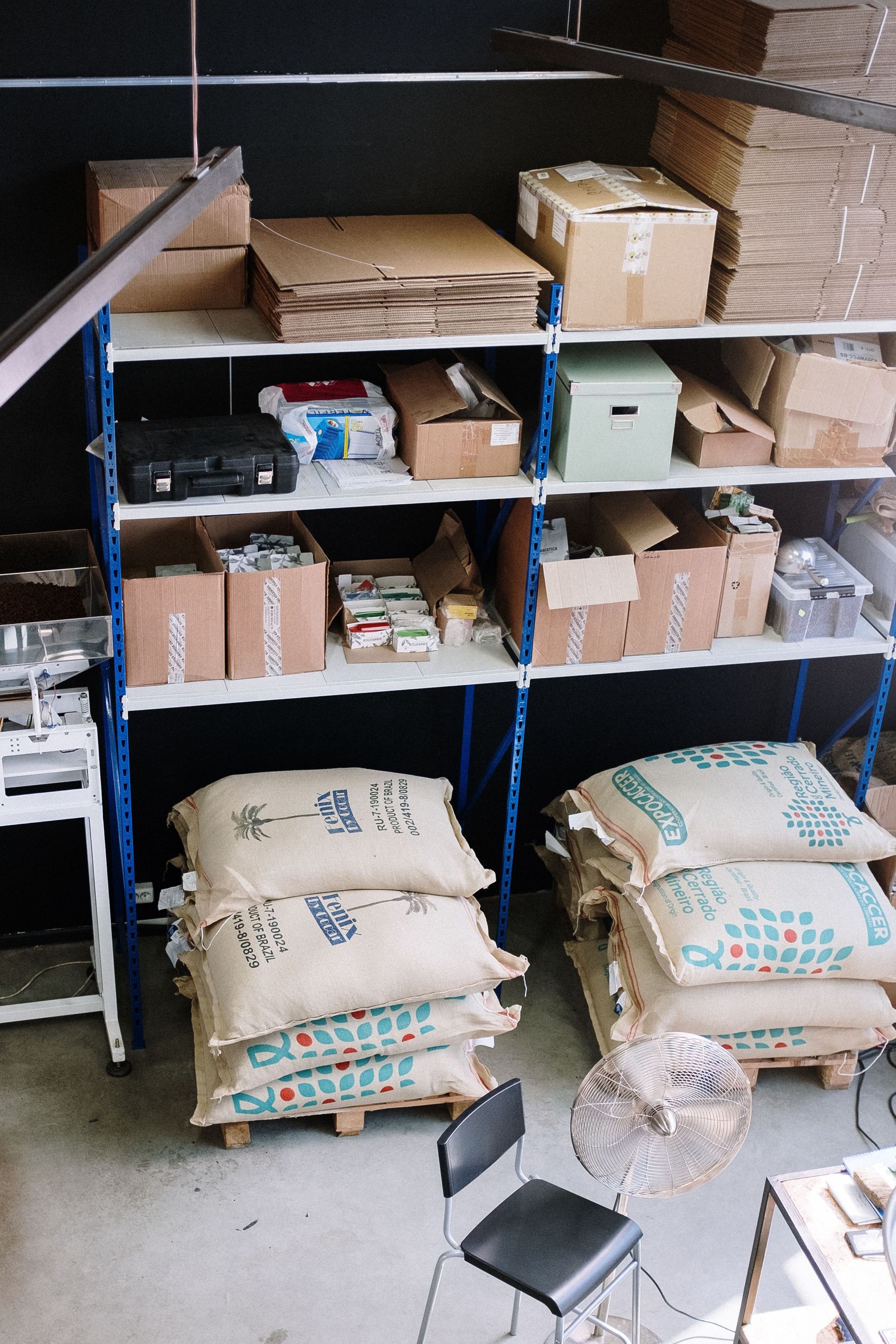
For a warehouse specifically, this means the facility isn't just a building with shelves. It's an actively managed environment built around protecting the integrity of the products stored inside it.
Why It Matters for Your Business
If your company stores, ships, or distributes food products, working with an SQF-certified facility protects you in several important ways.
First, it protects your product. SQF protocols are designed to prevent contamination, cross-contact, and spoilage. For organic, non-GMO, or specialty food products especially, maintaining the integrity of your inventory from intake to outbound shipment is non-negotiable.
Second, it protects your compliance. Many retailers, distributors, and food service buyers require their suppliers to use certified facilities throughout the supply chain. If you're trying to get your products onto grocery store shelves or into a regional distribution network, your warehousing partner's certifications may be part of the vetting process.
Third, it protects your brand. A contamination incident or traceability failure isn't just a logistical problem. It's a reputational one. SQF-certified facilities maintain the documentation and protocols needed to respond quickly and accurately if questions ever arise about a product lot.
SQF Certification and FDA Compliance
SQF certification aligns closely with FDA Food Safety Modernization Act (FSMA) requirements, which apply to facilities that store human food. FSMA shifted the regulatory focus from responding to food safety incidents to actively preventing them. SQF's framework is built around the same preventive logic, which is why the two credentials tend to go hand in hand at serious food-grade facilities.
What to Look for in a Food-Grade Warehouse
Beyond SQF certification, there are a few other things worth confirming when evaluating a food storage facility: ambient temperature control appropriate for your product type, a warehouse management system (WMS) that provides real-time inventory visibility and lot-level traceability, clear documentation practices, and a team that understands food safety compliance, not just general warehousing.
At 1000 Springs Warehouse in Buhl, Idaho, our SQF-certified, FDA-compliant facility is purpose-built for exactly this kind of storage. We serve food brands, agricultural businesses, and product distributors across the Magic Valley, Treasure Valley, and beyond, with flexible short- and long-term storage options and a WMS that keeps your inventory fully visible from intake to shipment.
If you're evaluating food-grade warehousing options in southern Idaho, we'd be glad to walk you through our facility and answer your questions. Contact us today to request a customized quote.