How to Choose a Third-Party Warehouse in Southern Idaho: What Small and Mid-Size Businesses Should Look For
Finding the right warehousing partner is one of those decisions that doesn't get a lot of attention until something goes wrong.
A missed shipment, a traceability gap, an invoice full of unexpected fees — that's usually when businesses realize they didn't ask the right questions upfront.
If you're a small or mid-size business evaluating third-party warehousing options in southern Idaho, the Magic Valley, or the greater Treasure Valley region, here's a practical checklist of what to look for before you sign an agreement.
1. Location Relative to Your Freight Corridors
Warehousing is a logistics decision before it's a storage decision. A facility that's inconveniently located relative to your inbound suppliers or outbound distribution points will cost you in freight time and money every single month.
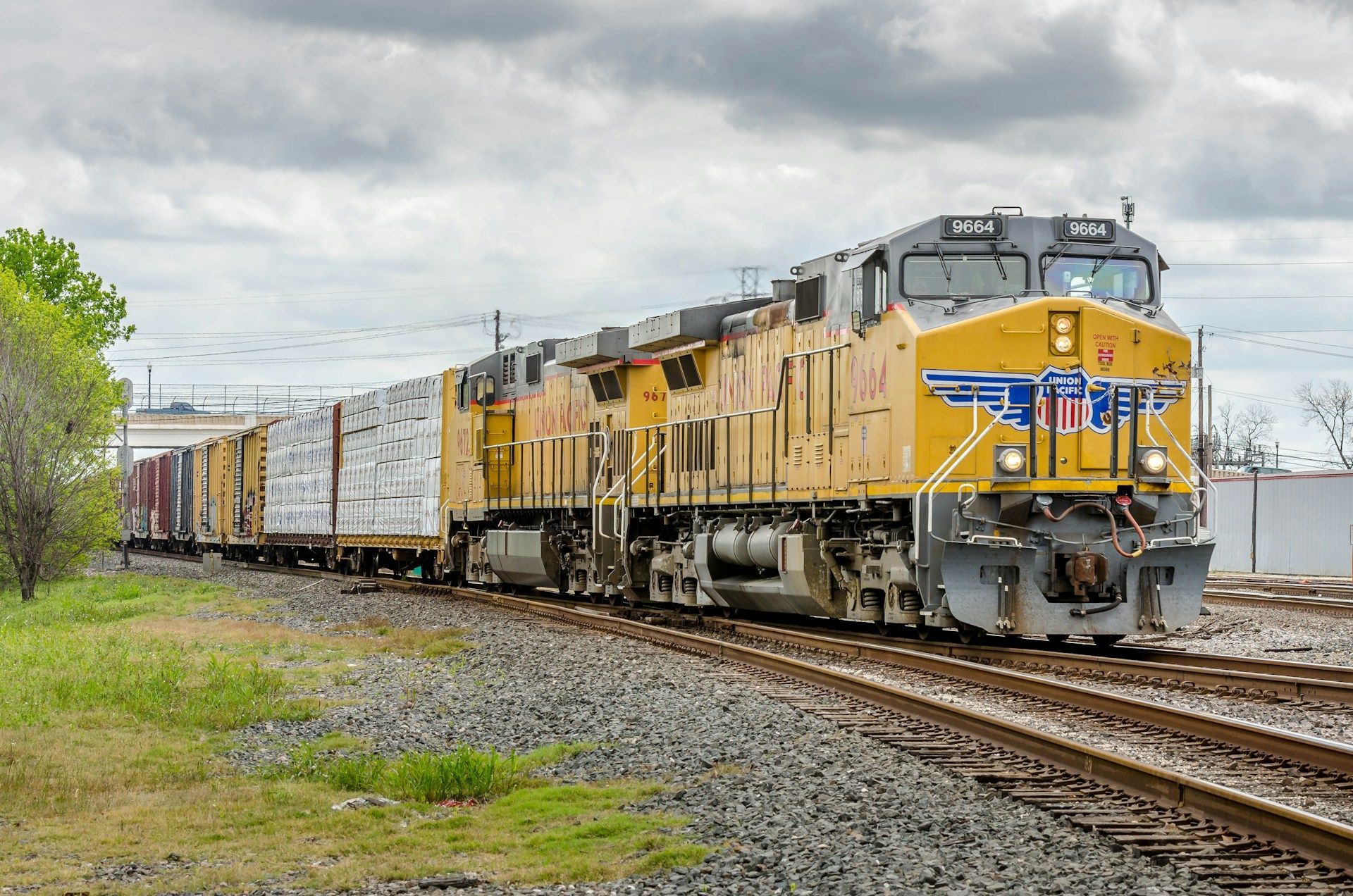
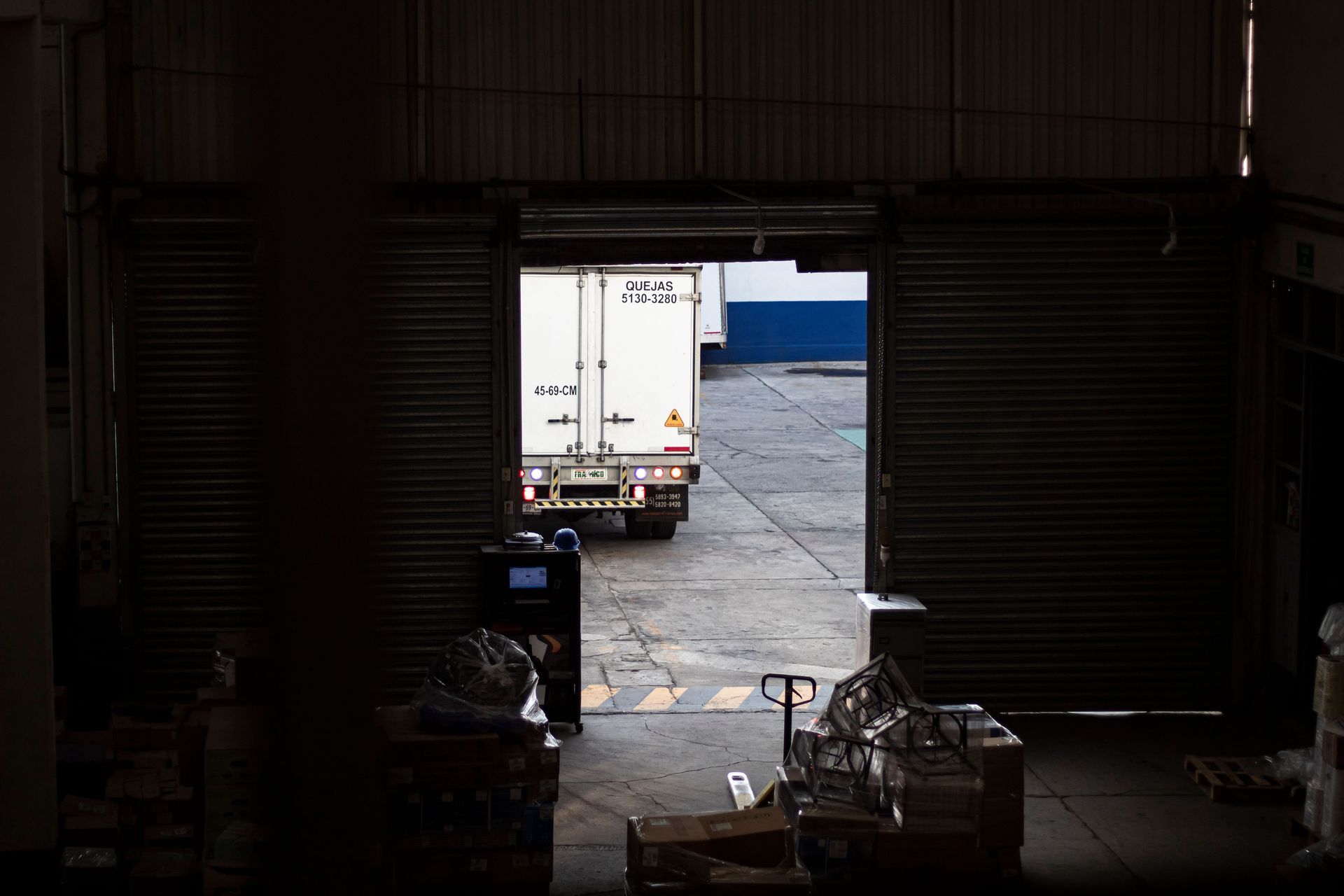
Southern Idaho sits at a genuine logistical crossroads. A well-positioned warehouse in the region should offer direct access to I-84 and U.S. Highway 30, accommodate both semi-truck and rail freight, and have the dock infrastructure to handle scheduled loading and unloading without bottlenecks. If your business ships to customers across multiple states, confirm that your prospective partner has established freight coordination capabilities, not just dock doors.
2. Facility Certifications That Match Your Product Type
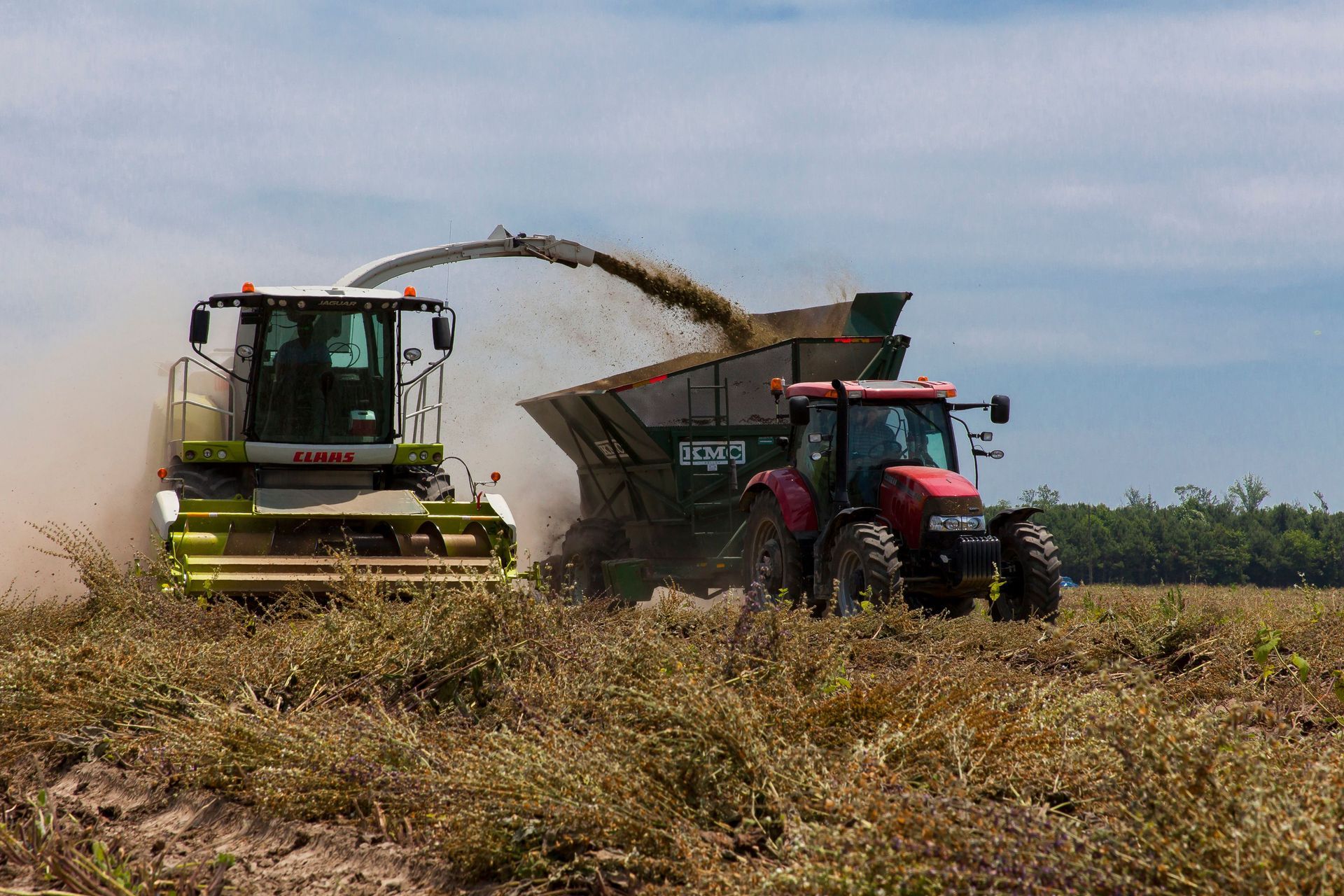
Not every warehouse is equipped to store every type of product. For food brands, agricultural products, or anything bound for retail or food service distribution channels, certifications matter.
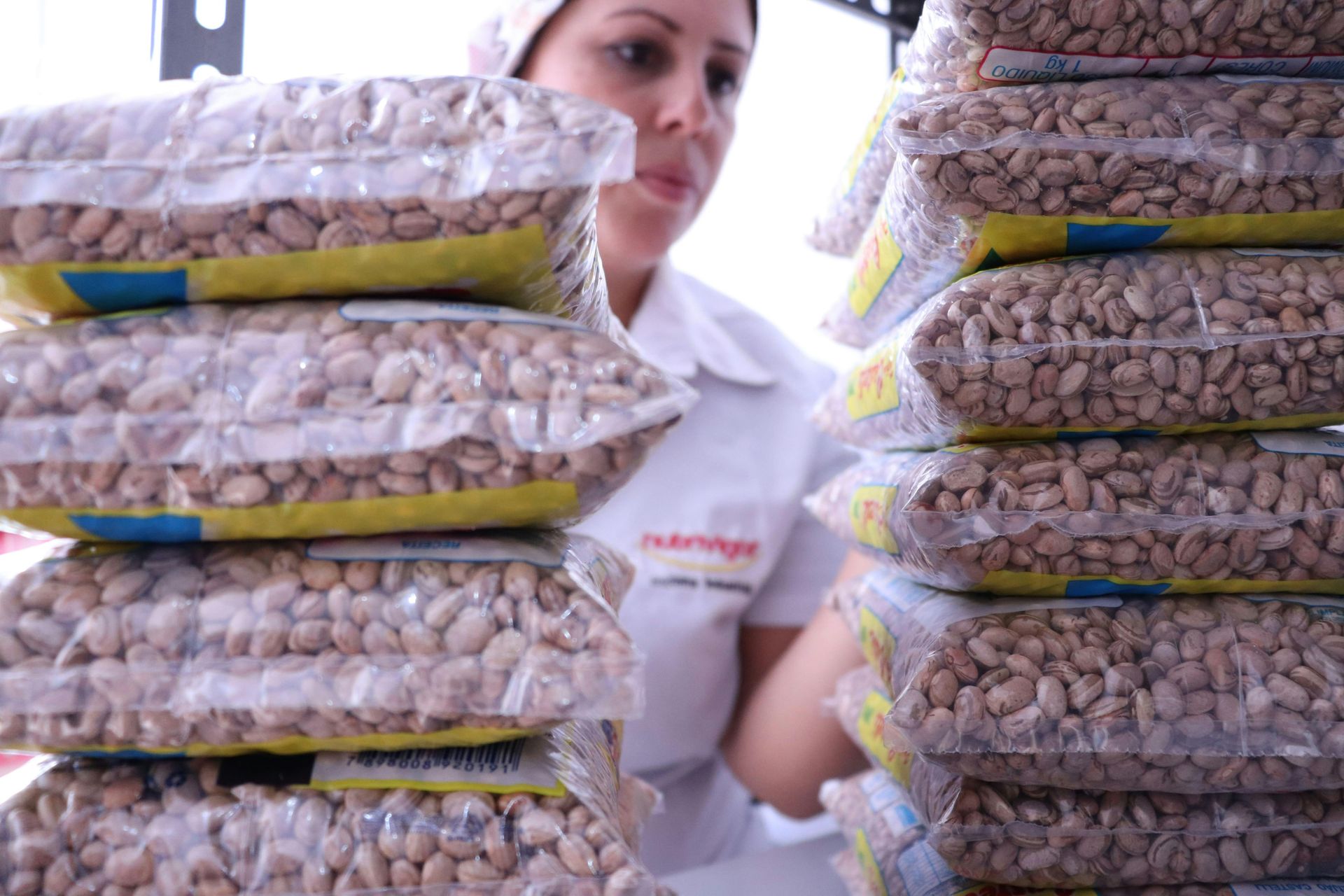
SQF (Safe Quality Food) certification and FDA compliance are the benchmarks to look for in food-grade storage. These credentials mean the facility has been independently audited for food safety protocols, sanitation, pest management, and traceability. If you're storing organic or non-GMO products, confirm that the facility has the segregated storage practices needed to protect your product's certification status.
For non-food products, look for documented security protocols, controlled access, and 24/7 surveillance.
3. Scalable Storage Options
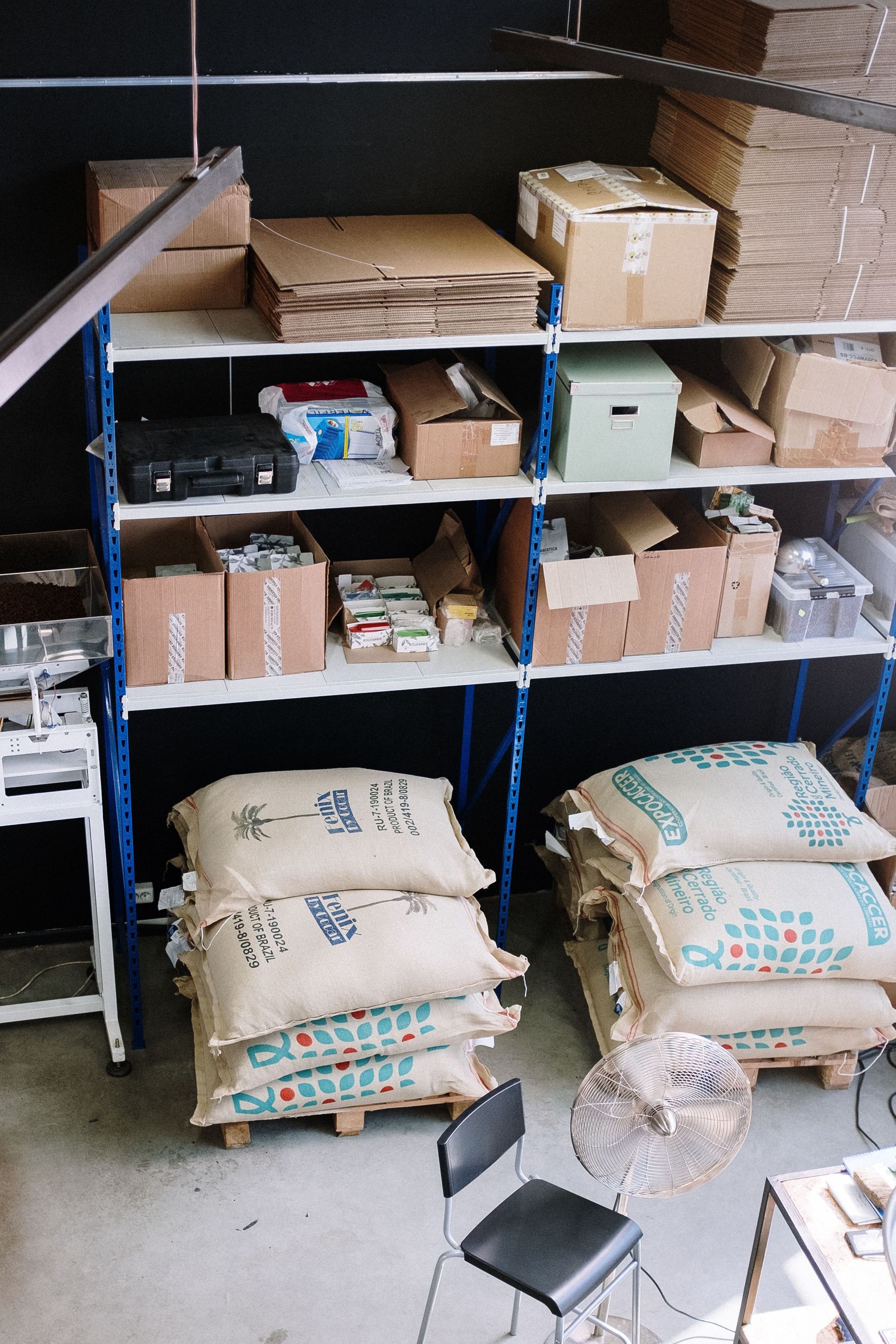
Your inventory needs in January probably don't look like your inventory needs in October. A good third-party warehouse should offer flexible short- and long-term agreements that can scale with your business, not lock you into square footage you don't need or leave you scrambling for overflow space when demand spikes.
Ask about both indoor and outdoor storage availability. For businesses with large equipment, oversized pallets, or seasonal overflow, outdoor gated storage can be a cost-effective option that most smaller facilities can't accommodate.
4. A Real Inventory Management System
Real-time inventory visibility isn't a luxury anymore. It's a basic operational requirement. Your warehouse partner should be running a proper Warehouse Management System (WMS) that gives you accurate lot-level tracking, inbound and outbound documentation, and reporting you can actually use.
This matters especially if your business operates under any compliance requirements, sells through retailers that mandate traceability documentation, or simply can't afford to lose visibility on where your product is at any given time.
5. Value-Added Services Under One Roof
Warehousing rarely happens in a vacuum. The more your logistics partner can handle beyond just storing your product, the fewer handoffs you're managing and the fewer vendors you're paying.
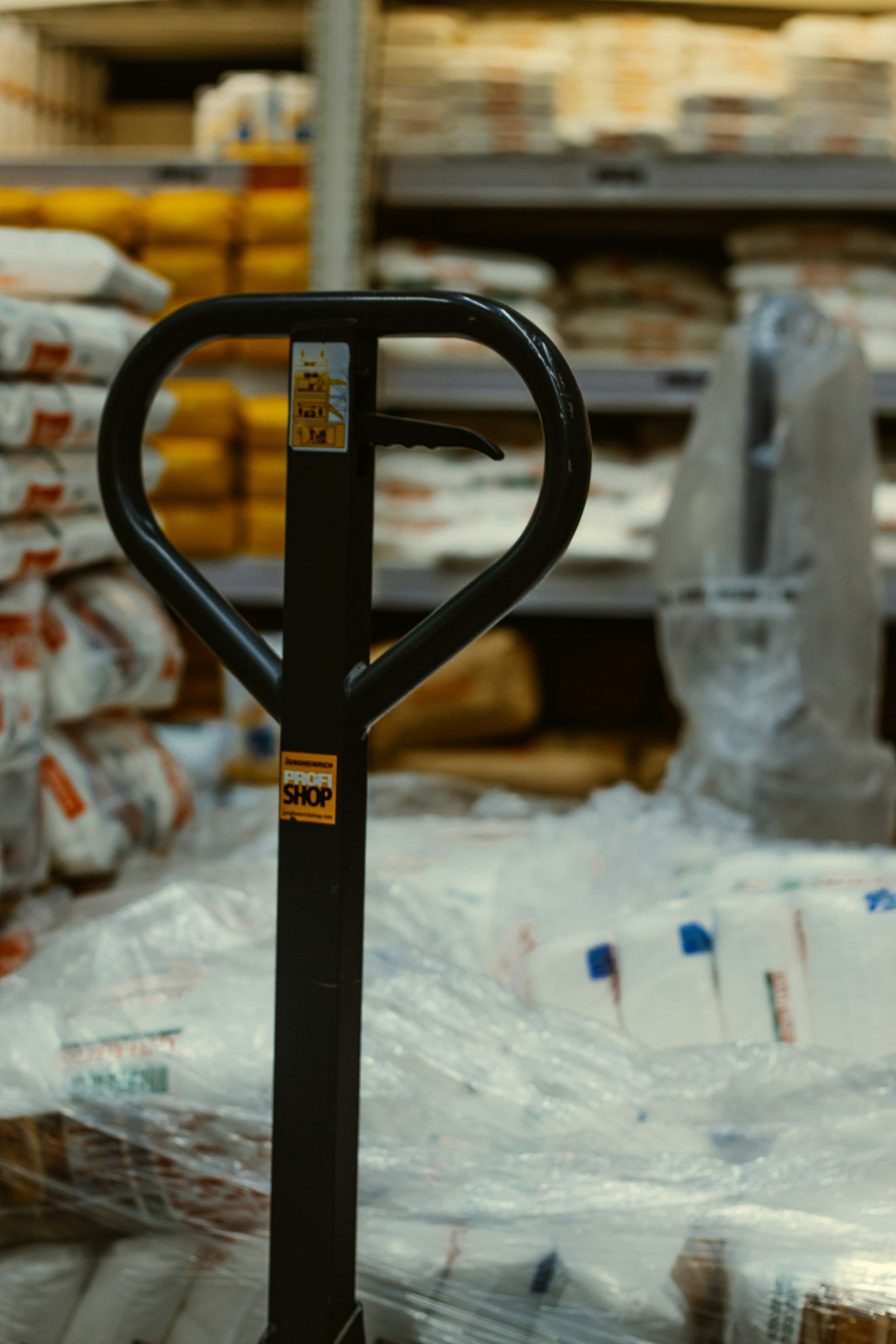
Look for facilities that offer services like private label packaging, custom palletizing and repacking, labeling and barcoding, and freight coordination. For small and mid-size businesses especially, having those capabilities available in-house can dramatically simplify your operations and improve your margins.
6. Transparent Pricing and Flexible Agreements
Third-party warehousing agreements can get complicated fast if you're not careful. Before signing anything, make sure you understand exactly how storage fees are calculated (by pallet, by square foot, by product unit), what handling fees apply to inbound and outbound movements, and whether there are minimum volume commitments or early termination clauses.
A good warehousing partner will be upfront about their pricing structure and willing to tailor an agreement to your actual needs.
A Southern Idaho Option Worth Considering
1000 Springs Warehouse in Buhl, Idaho offers 218,800 square feet of SQF-certified, FDA-compliant indoor storage, plus 17.5 acres of gated outdoor space. We're centrally located between Boise and Salt Lake City with direct access to I-84 and U.S. Highway 30, and we serve businesses shipping to all 50 states.
Our services go beyond storage, including private label packaging, custom palletizing, labeling and barcoding, cross-docking, and full freight coordination. Whether you need short-term overflow or a long-term logistics home base, we're built for it.
Contact us today to ask about availability and request a customized quote.