How Idaho Farmers and Agricultural Suppliers Use Commercial Warehousing Between Harvest and Sale
There's a timing problem baked into agriculture that doesn't get talked about nearly enough. You harvest in the fall.
The market softens in the fall. And if you're storing on-farm, you're racing against moisture, pests, and the limits of whatever bin space you have available — all while watching prices sit at their seasonal low. For a lot of Idaho grain and commodity producers, that squeeze between harvest timing and sale timing is where margin goes to die.
Commercial warehousing isn't a new concept for larger co-ops and commodity traders, but it's increasingly becoming a practical tool for small and mid-size agricultural operations in the Magic Valley and across southern Idaho. Here's what that looks like in practice, and why a food-grade commercial facility is a different kind of solution than the one sitting at the edge of your field.
The Post-Harvest Storage Problem
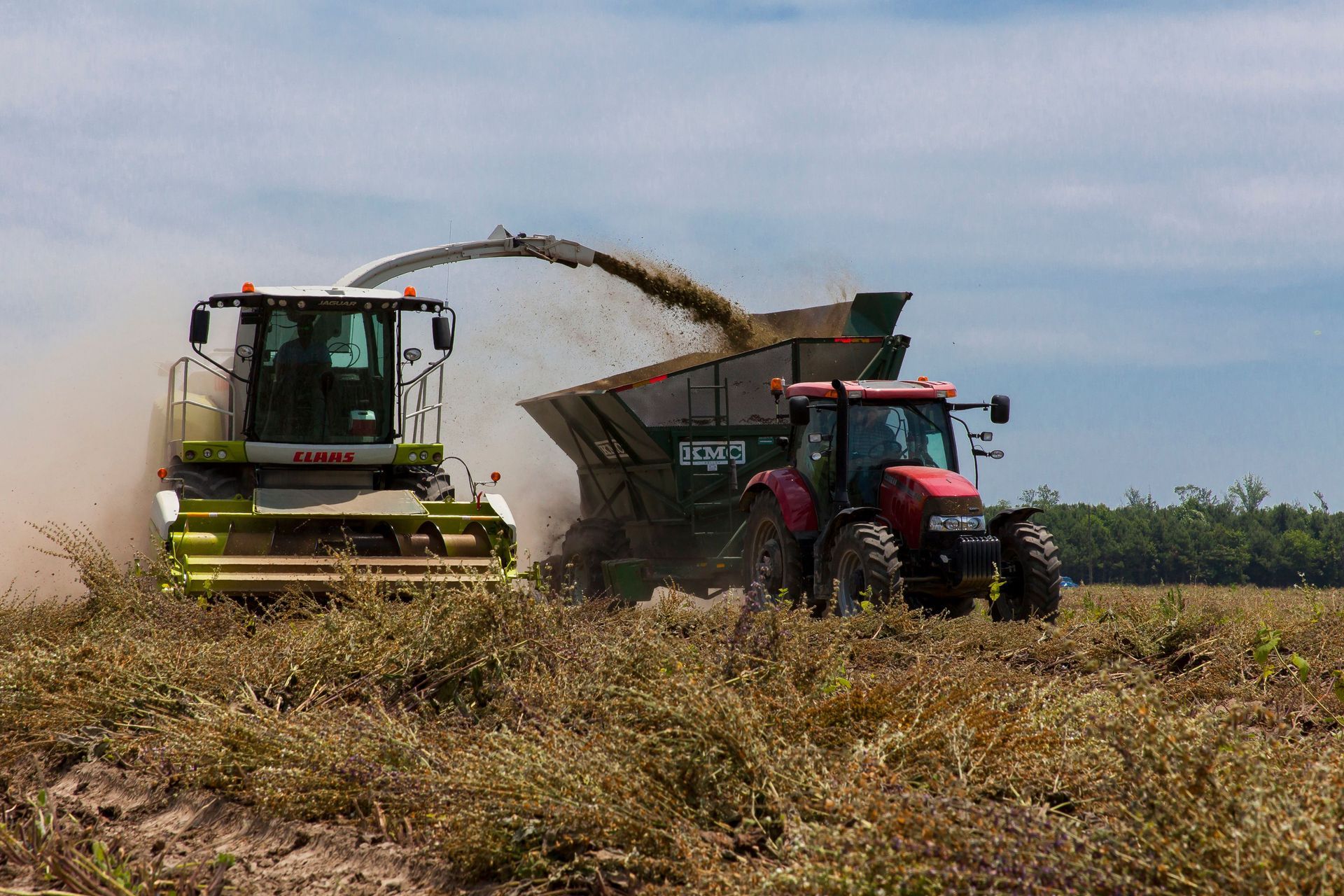
When the combine rolls, the clock starts. On-farm storage has its place, but it comes with real constraints — limited capacity, variable temperature and humidity control, pest exposure, and the fact that you're responsible for every aspect of grain condition until it moves. If you're storing wheat, beans, corn, or other dry commodities in hopes of timing a better sale price, those months between harvest and delivery can quietly eat into the value you worked all season to build.
The alternative most producers have relied on is elevator or co-op storage, which works well for commodity grains priced at CME benchmarks. But if you're growing organic, Non-GMO, or specialty crops — the kind that command a premium precisely because of their identity preservation and certification chain — the standard elevator model isn't always the right fit. You need a facility that can keep your product traceable, segregated, and certification-compliant from the day it comes off the field to the day it ships.
That's where food-grade commercial warehousing comes in.
What Food-Grade Storage Actually Means for Agricultural Products
The term "food-grade" gets used loosely, but in a warehousing context it has real teeth. A certified food-grade facility operates under protocols — typically SQF (Safe Quality Food) certification and FDA compliance standards — that govern everything from pest management and sanitation to how product is received, stored, and traced through the facility.
For agricultural producers and suppliers, that matters for a few reasons.
First, it protects product integrity. If you're growing certified organic grain or Non-GMO beans, co-mingling or contamination isn't just a quality issue — it's a certification issue. Food-grade facilities are built around segregated storage zones, strict receiving protocols, and lot-level traceability systems that keep your product identity intact from intake to outbound shipment.
Second, it satisfies buyer requirements. More food brands, retailers, and ingredient buyers are asking for documented storage chain as part of their sourcing due diligence. Being able to say your product was warehoused in an SQF-certified, FDA-compliant facility is a tangible selling point when you're negotiating with a premium buyer.
Third, it gives you flexibility on timing. When you're not racing against on-farm storage limitations, you can hold product longer and sell when the market makes sense — rather than when your bin situation forces your hand.
How Commercial Storage Works for Grain and Commodity Sellers
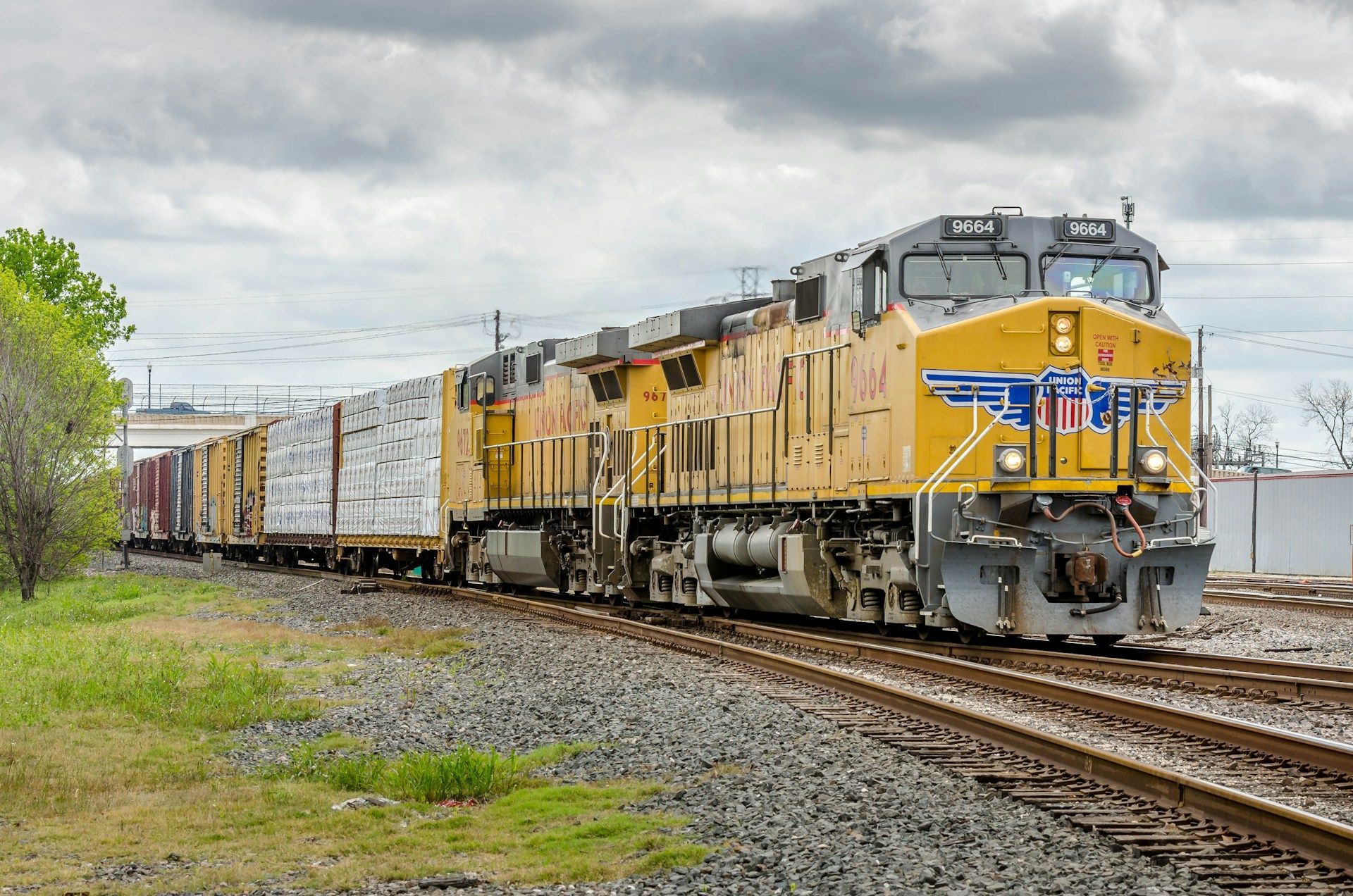
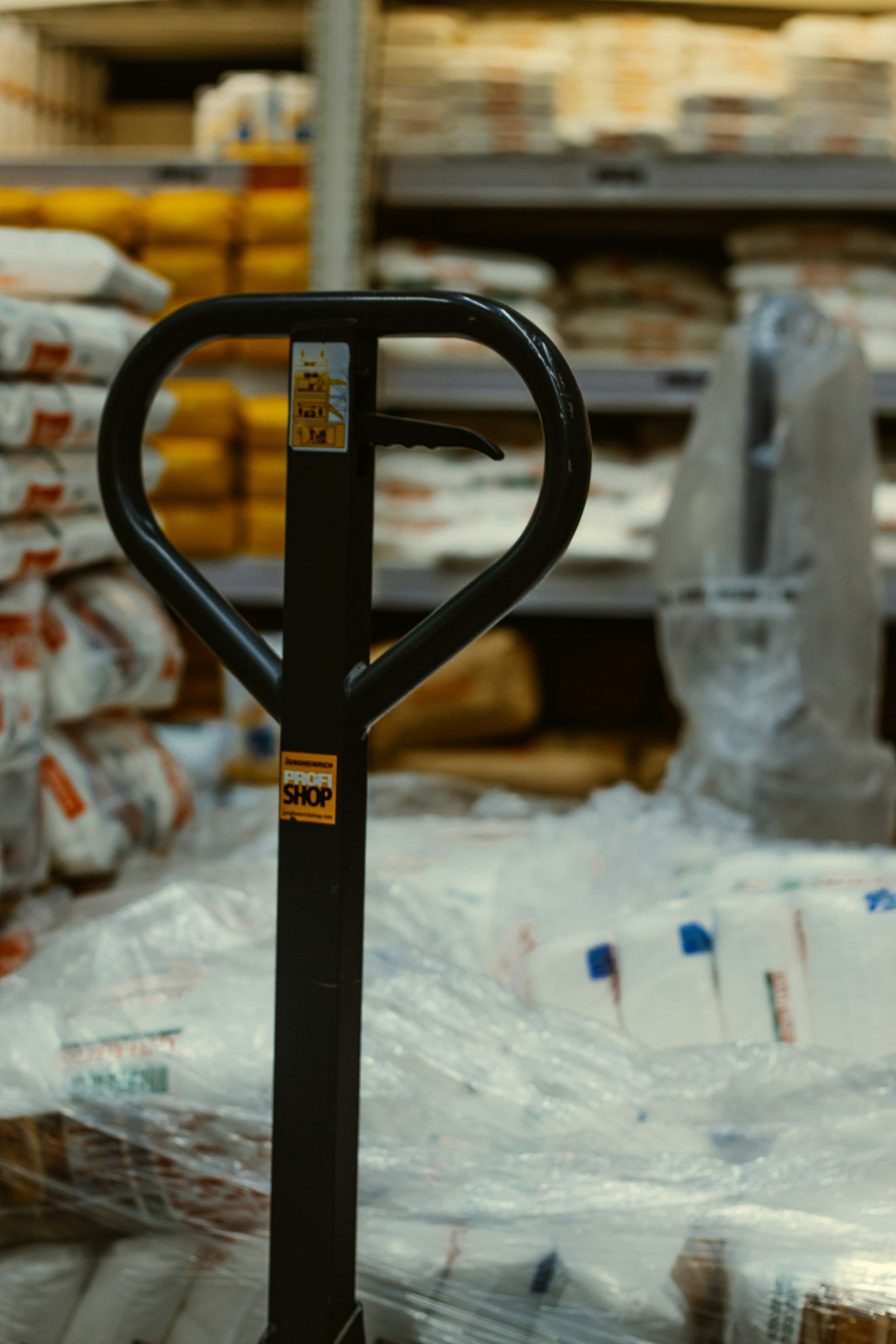
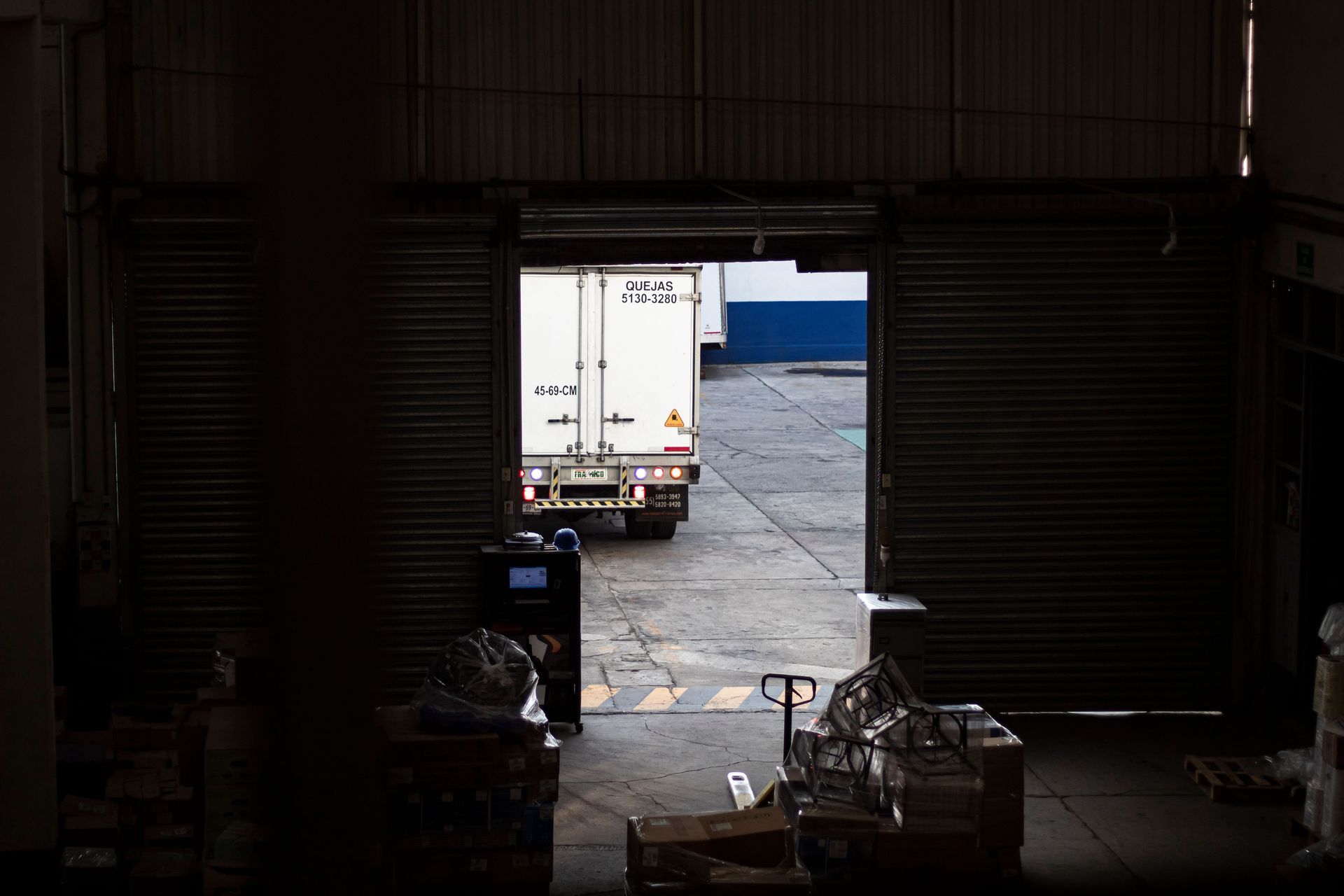
At 1000 Springs Warehouse in Buhl, Idaho, the workflow for agricultural clients is straightforward. Product arrives by semi-truck or rail, gets logged into a warehouse management system (WMS) with full lot traceability, and moves into ambient storage in a clean, monitored environment. Inventory is tracked in real-time, and clients can coordinate outbound shipments with freight assistance through the facility when they're ready to move product.
The facility stores a wide range of agricultural products, including:
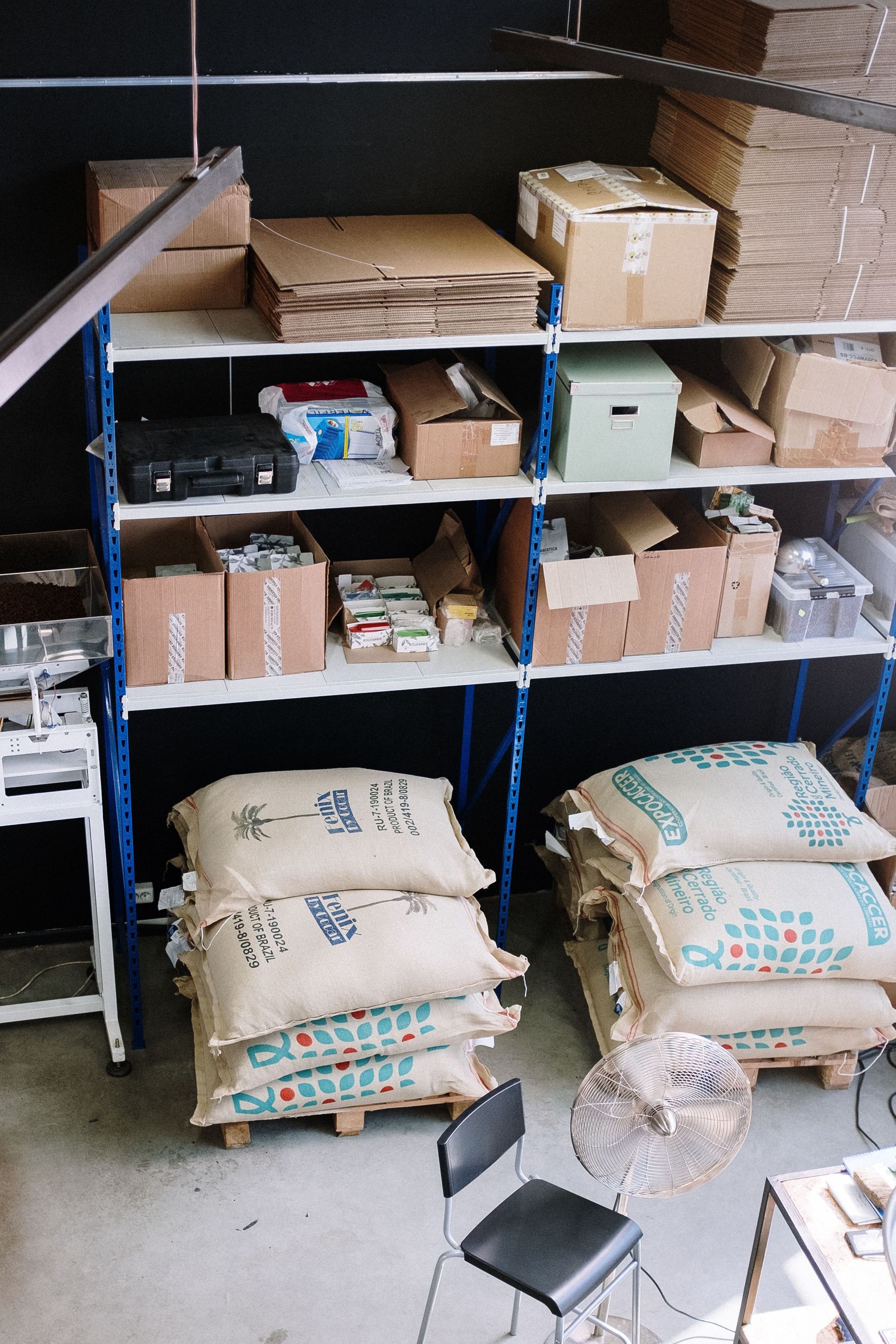
- Dry bulk commodities (grains, beans, corn, wheat, and similar crops)
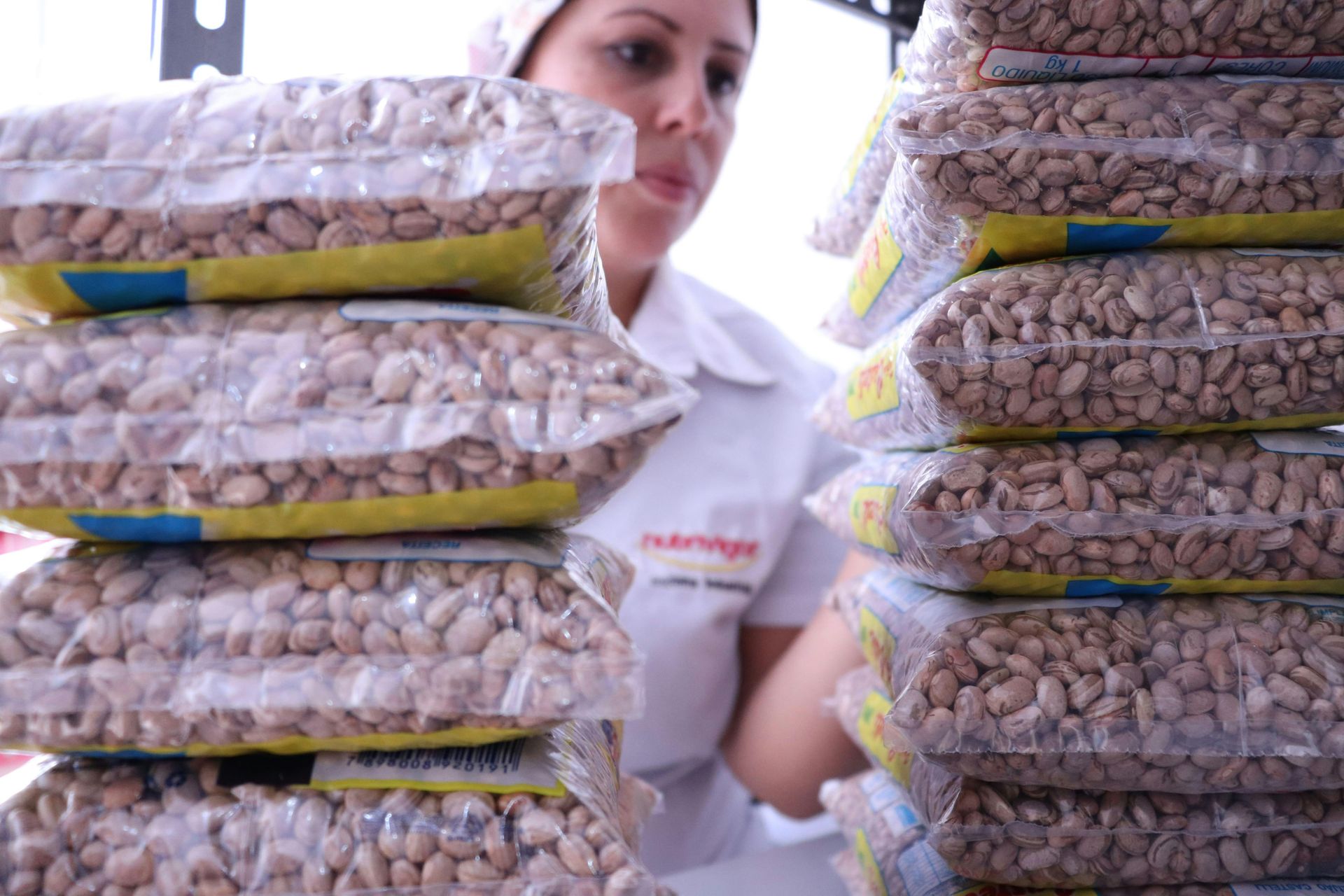
- Packaged agricultural products at various stages of processing
- Agricultural inputs like seed, non-hazardous fertilizers, and soil amendments
- Palletized packaging materials for producers who co-pack or private label
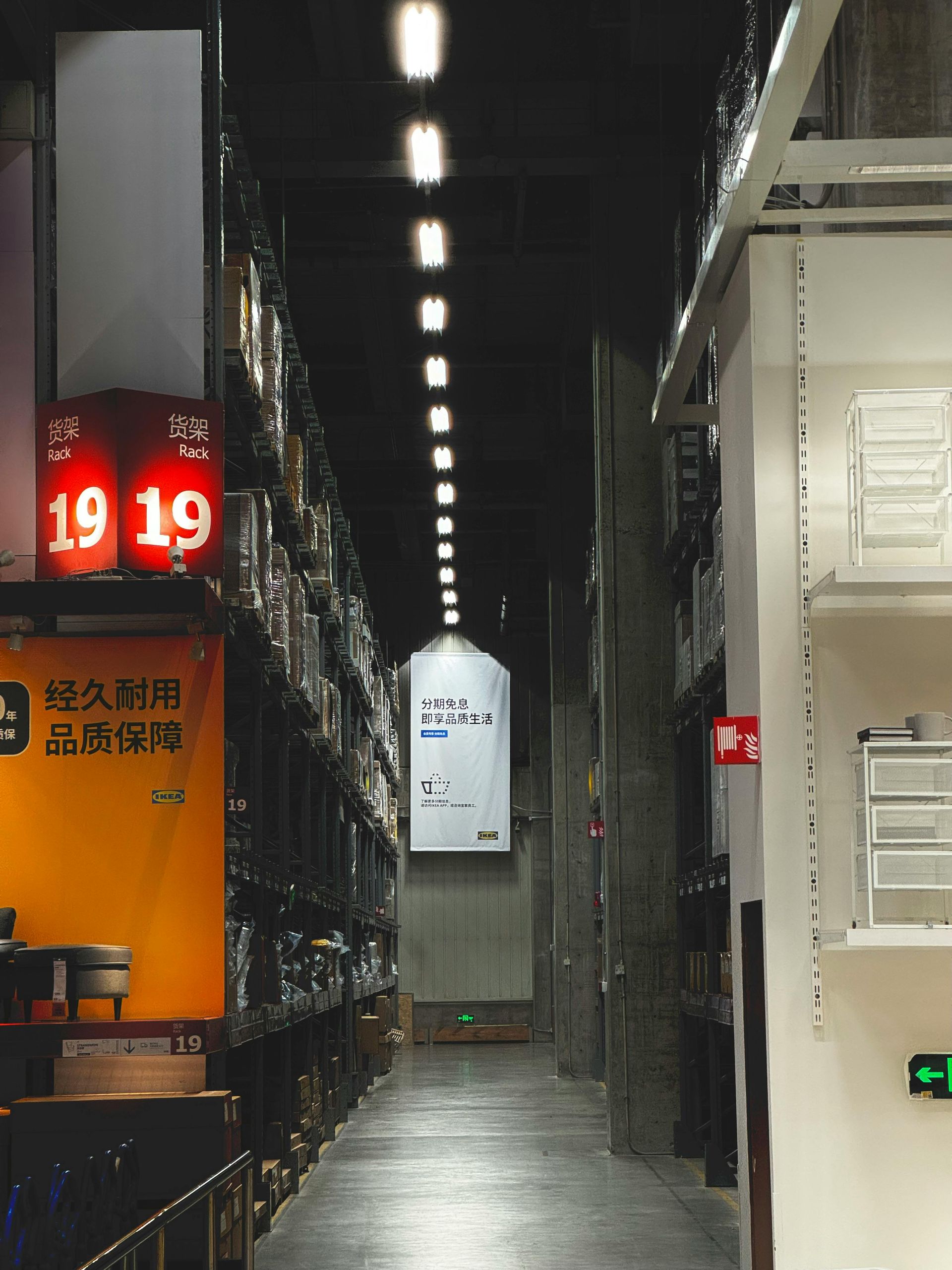
With 218,800 square feet of indoor space and 17.5 acres of gated outdoor storage, capacity isn't a limiting factor for most regional producers. And because the facility sits right off I-84 and U.S. Highway 30 with direct rail access, coordinating outbound freight to buyers across the Pacific Northwest, Mountain West, or anywhere in the lower 48 is straightforward.
Why Magic Valley Producers Are Well-Positioned for This Model
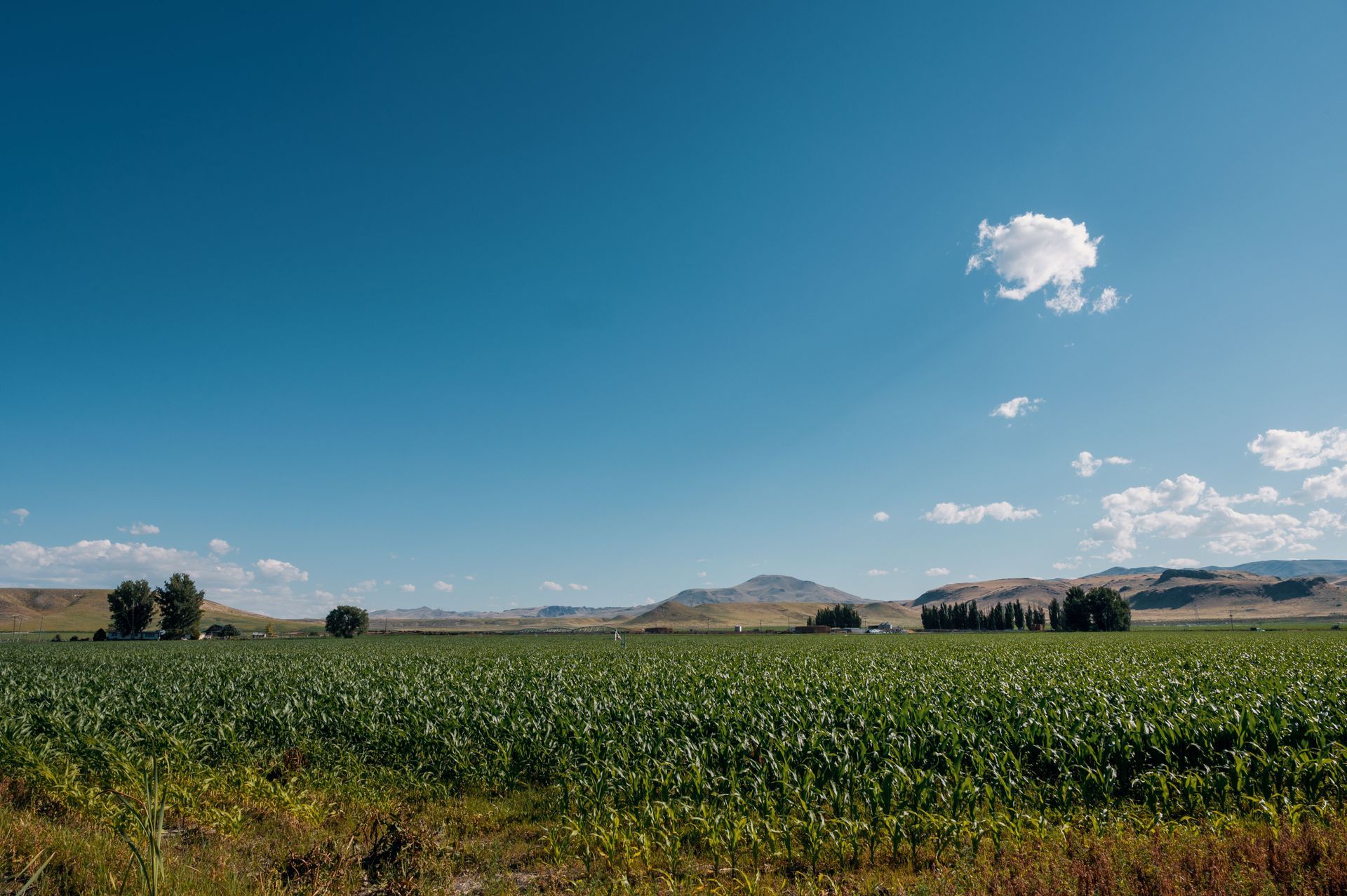
Southern Idaho's Snake River Plain is one of the most productive agricultural regions in the country — beans, wheat, corn, potatoes, and specialty crops all come out of this ground in serious volume. But the infrastructure for premium, identity-preserved commodity storage has historically lagged behind what specialty crop producers actually need.
That's starting to change. As more Idaho farmers shift toward organic and Non-GMO production to access better margins, the demand for food-grade, traceable storage has grown alongside it. A commercial facility centrally located in the Magic Valley, certified to food-grade standards, and connected to major freight corridors is exactly the kind of infrastructure the region's agricultural supply chain has been missing.
It's also worth noting that commercial storage doesn't have to be a long-term commitment. Flexible short-term arrangements work well for producers who need to bridge a single harvest season, as well as longer-term agreements for operations that want a consistent storage partner year over year.
The Bottom Line for Idaho Ag Producers
If you're growing premium grain or specialty crops and relying on on-farm storage to manage your sale timing, you're absorbing risk that a food-grade commercial facility can largely eliminate. The combination of proper environmental controls, SQF certification, lot traceability, and freight coordination means your product arrives at the buyer in the same condition and with the same documented identity it had when it left your field.
For producers in the Magic Valley and Twin Falls County area, 1000 Springs Warehouse is worth a conversation before next harvest season. The window between now and when the combines start rolling is exactly the right time to get a storage agreement in place.
Contact 1000 Springs Warehouse to request a quote or discuss your storage needs.