"What Is Private Label Packaging and Why Southern Idaho Food Brands Are Using It to Scale"
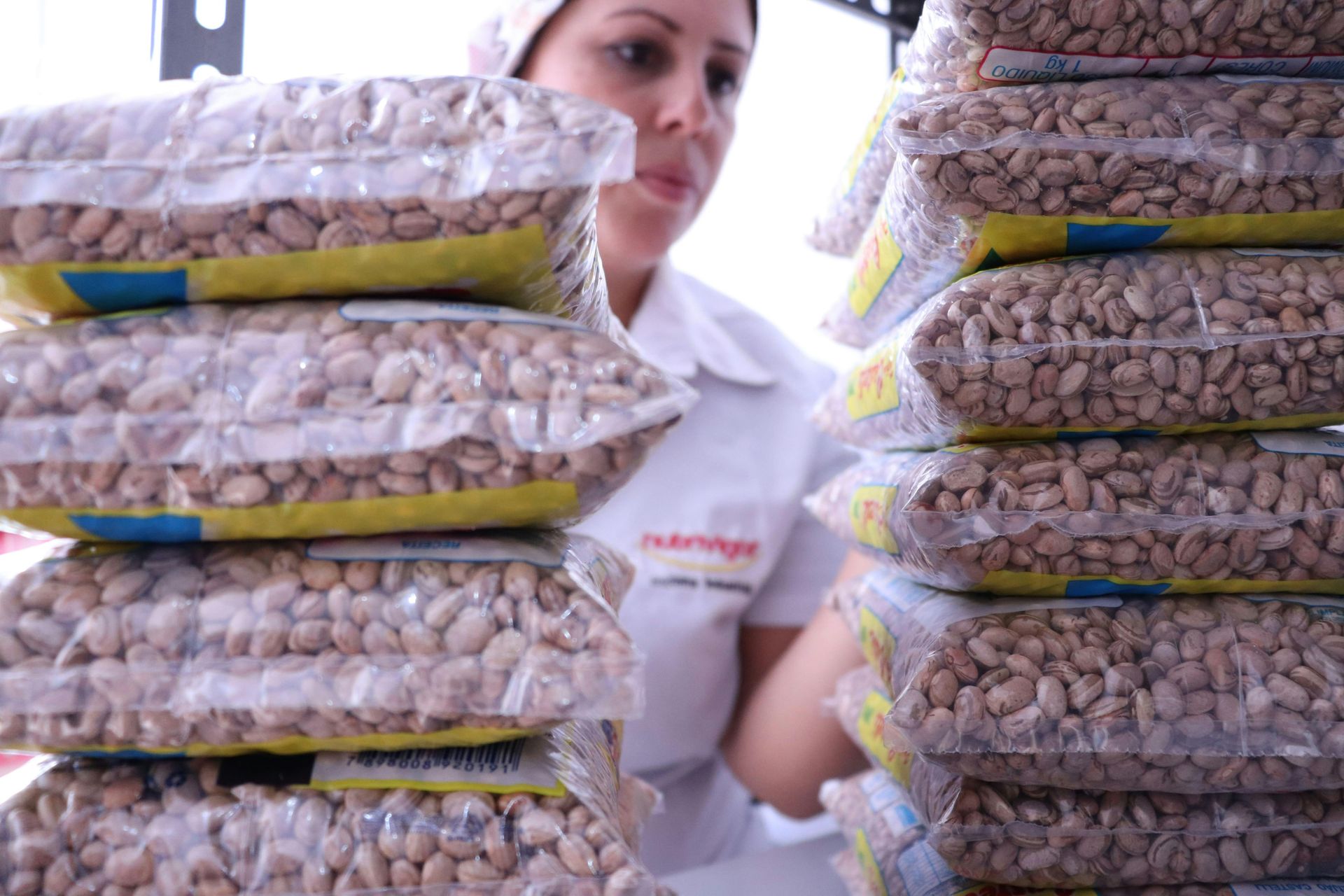
If you've ever picked up a bag of organic black beans at a local grocery store and noticed it's branded under a label you've never heard of, there's a good chance it came off a contract packaging line at a facility like this one.
Private label packaging — sometimes called co-packing or contract packaging — is how a lot of food brands go from "we grow or source a great product" to "we have a retail-ready SKU on store shelves" without buying a $200,000 packaging line and hiring a production crew. It's not a workaround or a corner-cutting measure. For emerging and mid-size food brands, it's often the smartest path to scaling.
And right now, it's something more southern Idaho food businesses are starting to use to their advantage.
What Private Label Packaging Actually Means
The basic idea is simple. You supply the product — whether that's bulk grain, dried beans, milled flour, specialty corn, or another commodity. The co-packing facility handles the rest: filling it into retail-ready packaging, applying your label and barcode, and staging it for distribution or shipment to a buyer.
The result is a finished product that carries your brand, meets retail and food safety standards, and is ready to move — without you having to own or operate any of the equipment that made it happen.
At 1000 Springs Warehouse, the private label packaging capabilities include:
- Vertical form fill and resealable standing pouches in 1 through 10 pound sizes — the standard retail format for grains, beans, flours, and similar dry goods
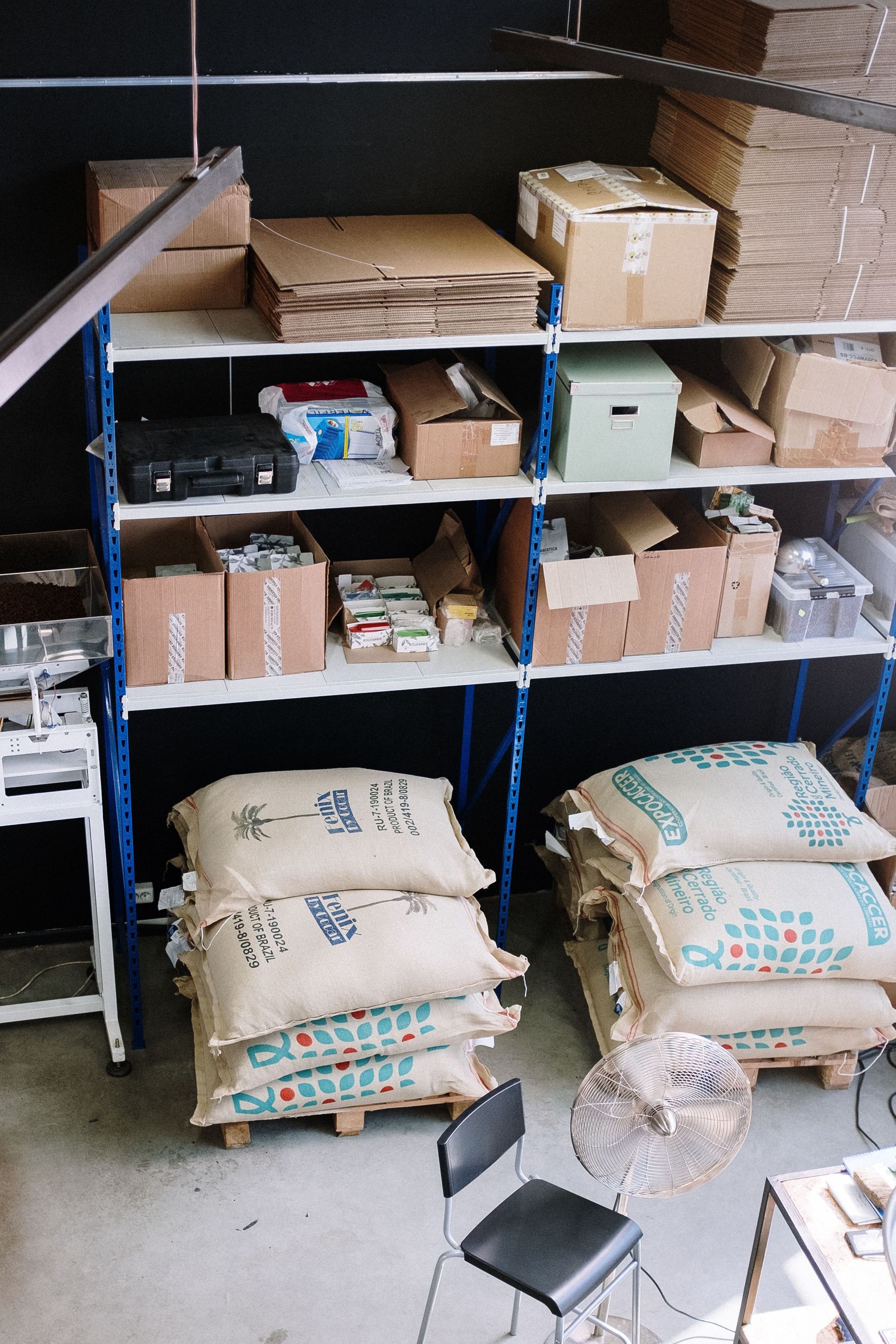
- Bulk packaging in 25 lb and 50 lb bags for foodservice, restaurant, and institutional buyers
- Totes and valve bags for large-volume and industrial needs
- Full-service barcoding and labeling, including lot-specific labels that support traceability through the supply chain
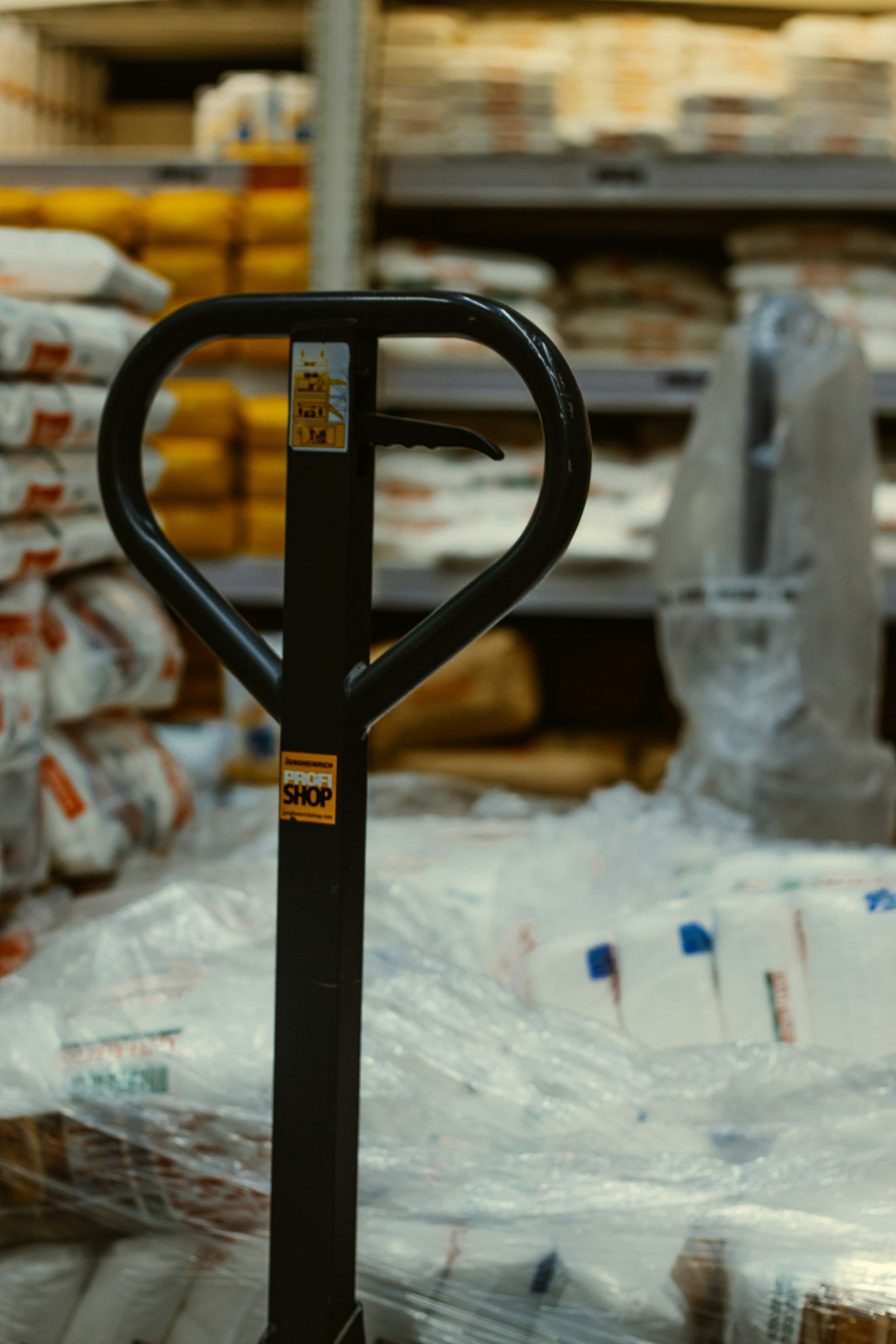
- Custom palletizing and repacking to meet retailer and distributor specifications
Because the facility is SQF-certified and FDA-compliant, the finished product carries the storage and handling documentation that most grocery retailers, natural food distributors, and co-op buyers will ask for when they're evaluating a new supplier.
Who This Is For
The brands that get the most out of contract packaging tend to fall into a few categories.
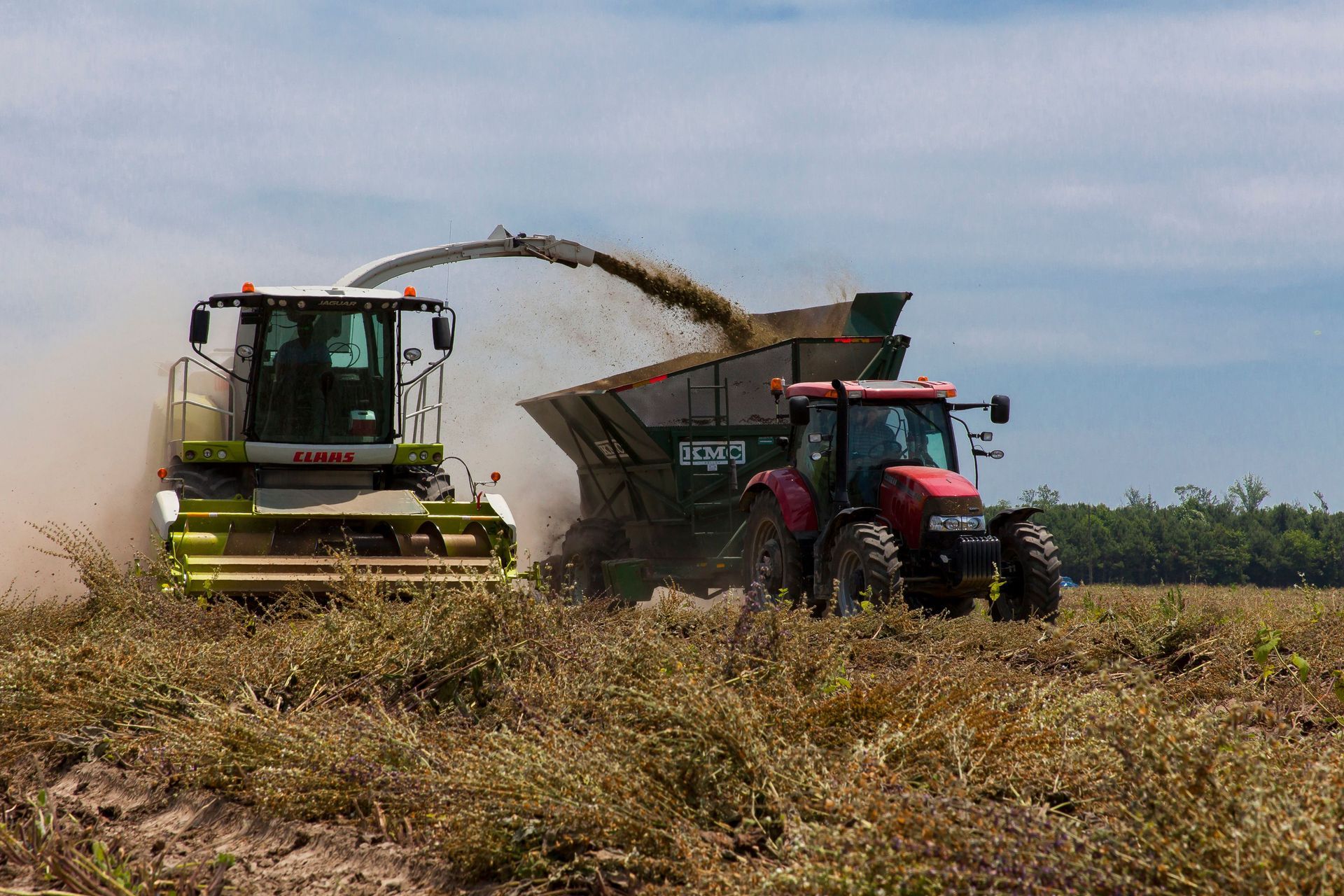
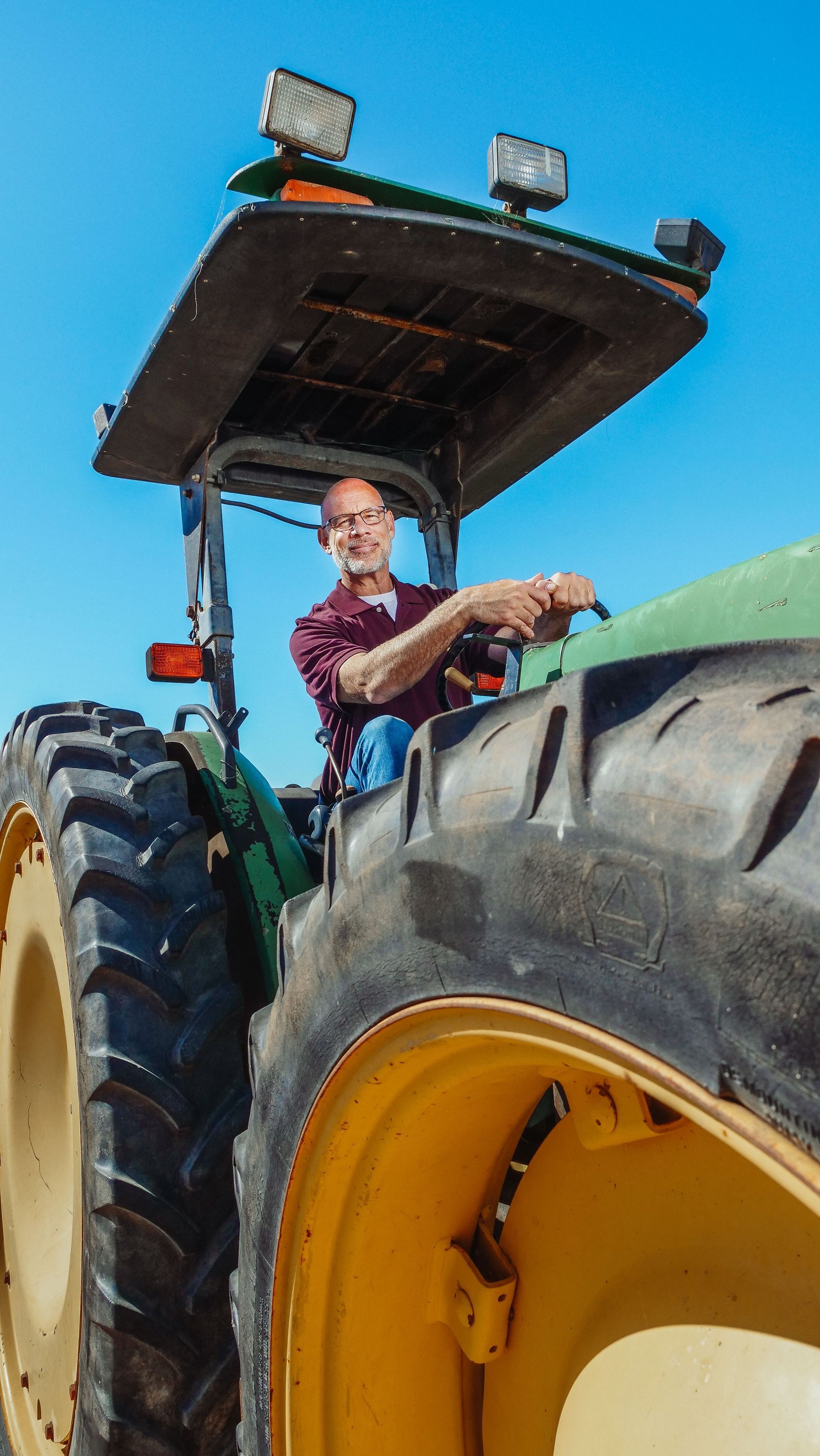
Farmers who want to move up the value chain. If you're growing organic wheat or Non-GMO beans and selling bulk to a commodity buyer, you're leaving money on the table compared to what a branded 2 lb bag on a co-op shelf would command. Private label packaging is the bridge between your field and the retail margin.
Emerging food brands without production infrastructure. You've validated your product at farmers markets or through direct online sales. You want to pitch a regional retailer or natural foods distributor. But you don't have a production line, and you're not ready to build one. A co-packing partner handles the volume you need without the capital expenditure.
Established brands managing overflow or new SKUs. Your existing line is running at capacity and you need a secondary facility for a new product launch or a seasonal surge. A co-packing agreement gives you production flexibility without overbuilding your own footprint.
Out-of-state brands entering the Pacific Northwest market. The Magic Valley's central location makes it a logical staging point for brands distributing across the Mountain West and Pacific Northwest. Packing closer to your regional distribution hub reduces freight cost and lead time.
Why SQF Certification Matters Here
If you're planning to sell to any natural or specialty retailer — think co-ops, natural food chains, specialty grocery, or health-focused e-commerce platforms — there's a very good chance they'll ask about your facility's food safety certifications before they write their first purchase order.
SQF (Safe Quality Food) certification is one of the gold standards in food manufacturing and storage. It signals that the facility operates under rigorous, third-party-audited protocols for hygiene, pest management, allergen control, traceability, and quality assurance. When your product is co-packed at an SQF-certified facility, that certification travels with your supply chain documentation.
For organic or Non-GMO products specifically, the stakes are even higher. Buyers need confidence that their product wasn't stored or handled in a way that compromised its certification status. An SQF-certified co-packer with lot-level traceability built into its WMS provides exactly that assurance.
The Practical Advantage of a Local Co-Packing Partner
There's a version of this conversation that assumes contract packaging means shipping your product across the country to a large Midwest or California facility, waiting weeks for a production run, and paying freight both directions. For a lot of Idaho food brands, that's been the default.
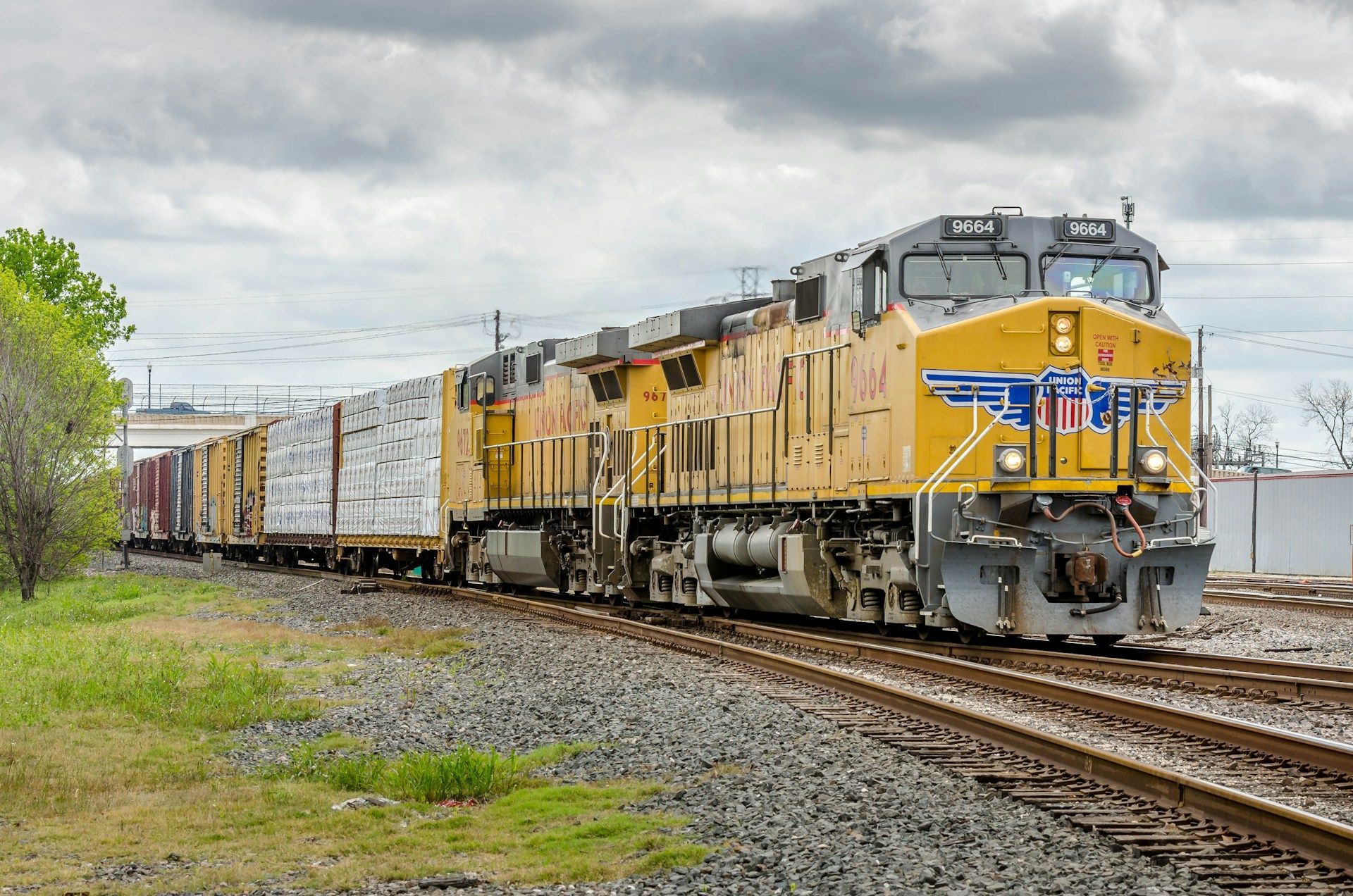
But a co-packing facility in Buhl, Idaho changes that math. Your product travels a short distance to the facility, gets packaged on a schedule that works for your business, and ships outbound from a location with direct I-84 access and rail connectivity to major western markets. The combination of lower inbound freight, faster turnaround, and easier communication with a local team adds up quickly.
It also means you can start small. A regional co-packer with flexible run sizes is far more accessible to an emerging brand than a large national facility with high minimum order requirements and a six-month production queue.
Taking the Next Step
If you're growing or sourcing a product that's ready for a retail or foodservice format, private label packaging is worth a serious look before you commit to building your own production infrastructure. The equipment cost, the regulatory compliance, the labor, the certification requirements — a co-packing partner absorbs all of that so you can focus on your product and your brand.
1000 Springs Warehouse serves food producers and brands across southern Idaho, the Treasure Valley, and the broader Pacific Northwest region. Whether you need a small initial run to pitch a buyer or a recurring production agreement to support ongoing distribution, the team is happy to talk through what your project needs.
Get in touch to discuss your private label or co-packing project.